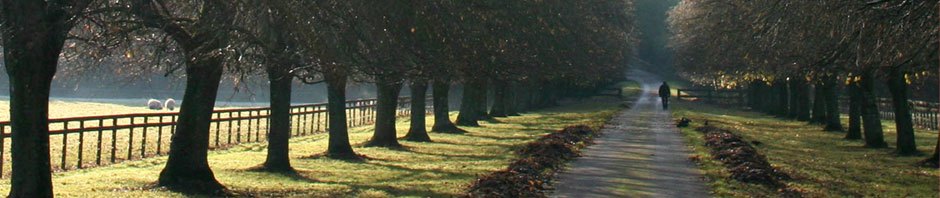
We made it to Long Beach Washington last night to find out we not only did not have Wi-Fi access from our room, we knew that going in, but not in a useable fashion from my Verizon card either. Thanks to Long Beach Coffee Roasters for coming to the rescue with their free Wi-Fi.
Here are some shots from the trip down, most taken at the Northwest Carriage History Museum in Raymond WA., a very cool place as you should be able to tell.
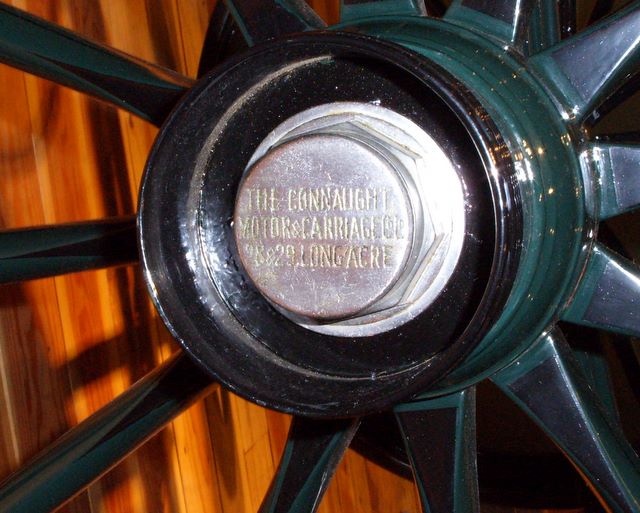
THE CONNAUGHT MOTOR & CARRIAGE CO.
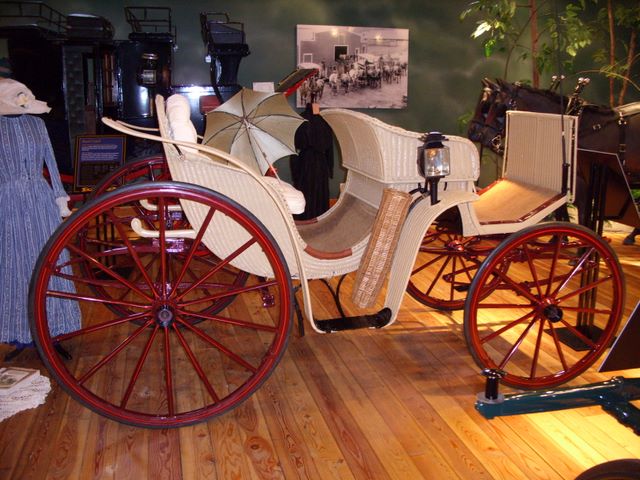
The side of the Cut Under Wicker Phaeton.
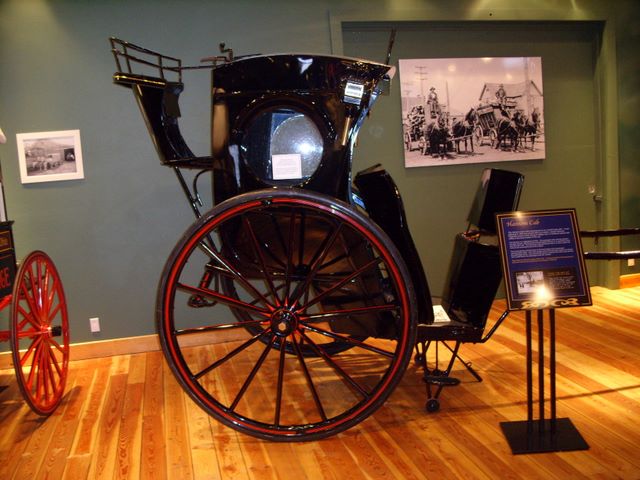
The Hansom Cab is the predecessor to our modern taxi cabs. It was patented in 1834 and named after its inventor, Joseph Hansom.
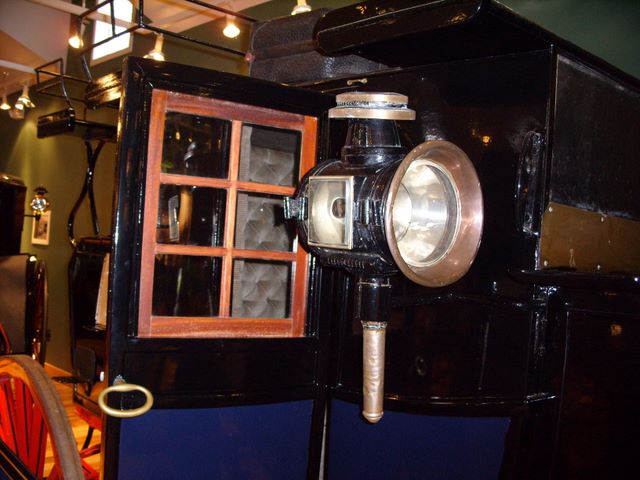
Detail shot of the Road Coach.
View the full Album
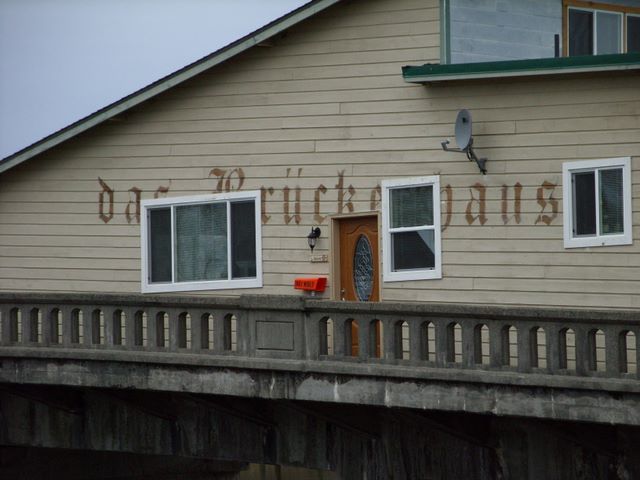
A house on a bridge it appears, it says in German something like ?das Brucke haus? some of the words are obscurred by those darned windows and door. 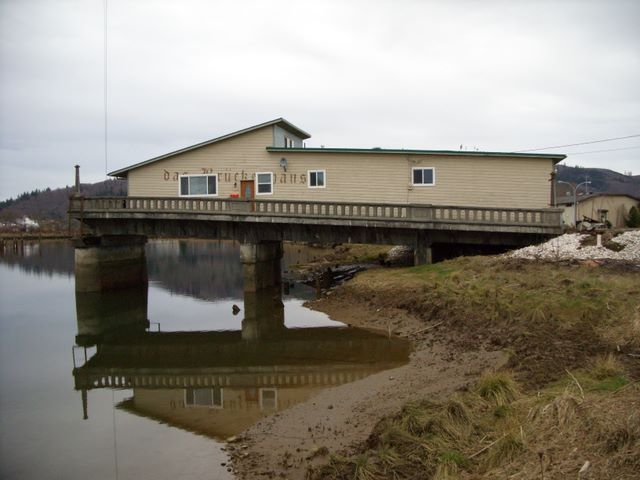
Here is the full view of this rather interesting place. 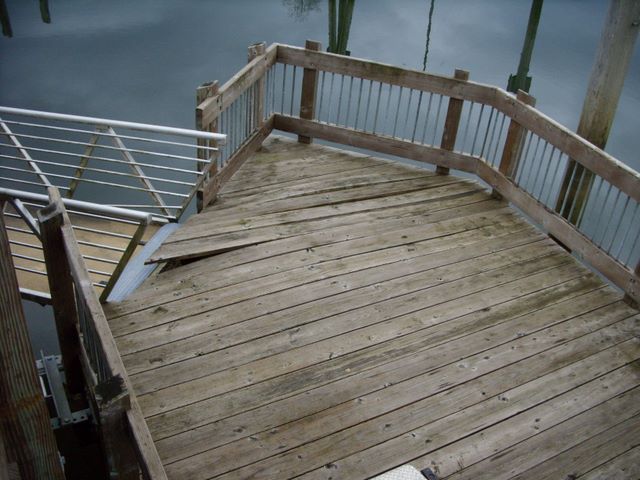
they closed off access, likely due to the damage to this section here. Mega bummer. 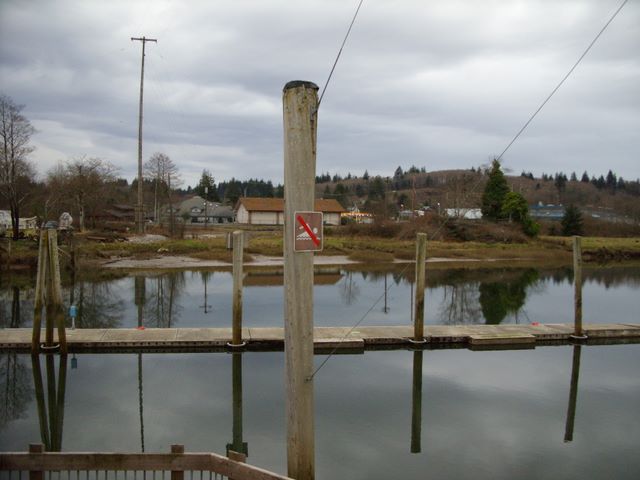
No swimming like that is an option in February around here. Well I guess is has been pretty warm most of the day today??? 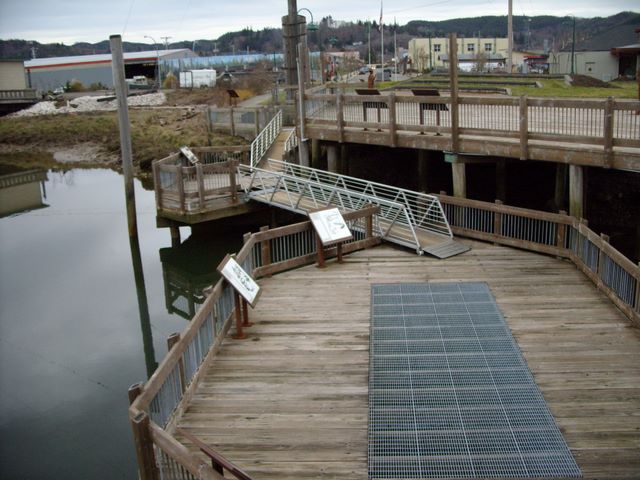
I wanted to go down there and check that lower deck out but… 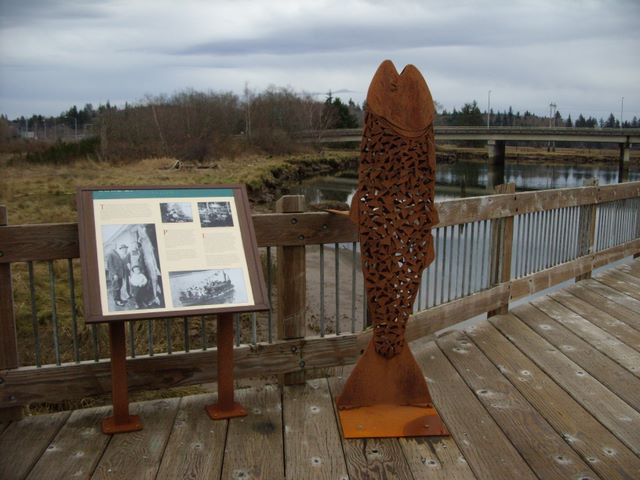
There are hundreds of these metal sculptures around here. I and Steve highly recommend checking this town out, this is way cool. 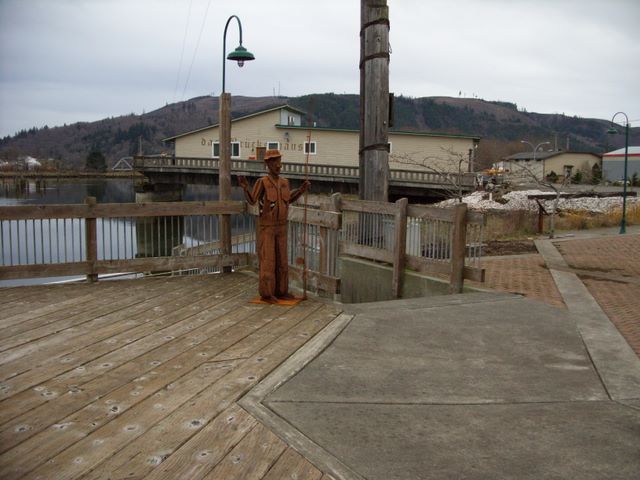
Another metal sculpture backed by that facinating house. 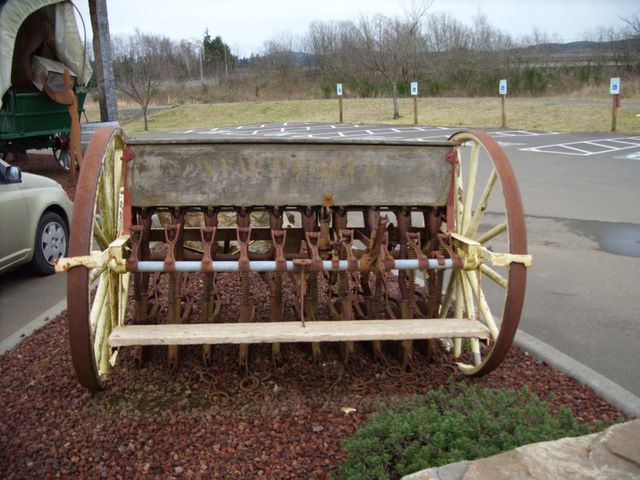
I would not want this running over my toes. 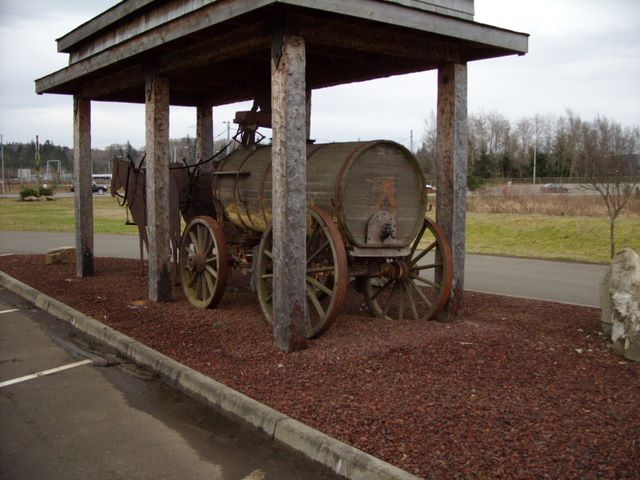
Another wagon apparently for very important cargo. 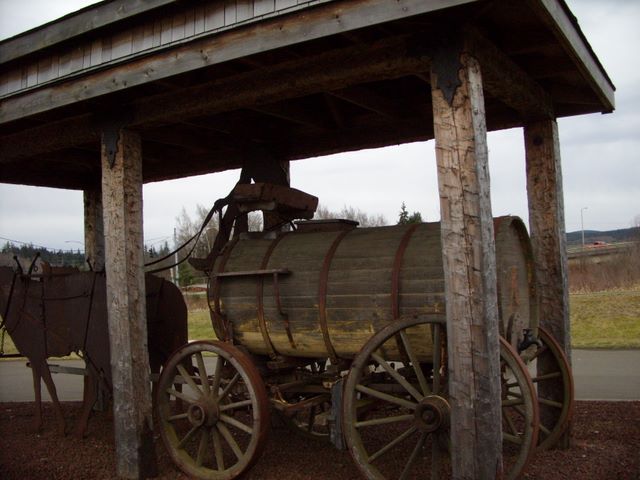
Metal driver and metal horses. 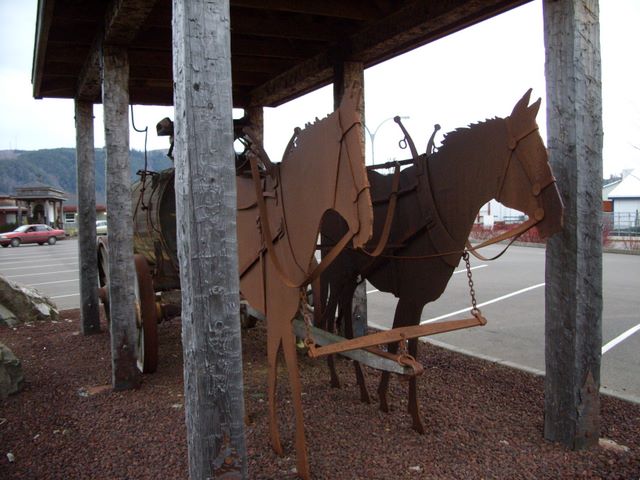
These are cool sculptures, I want some horses like these for my yard. 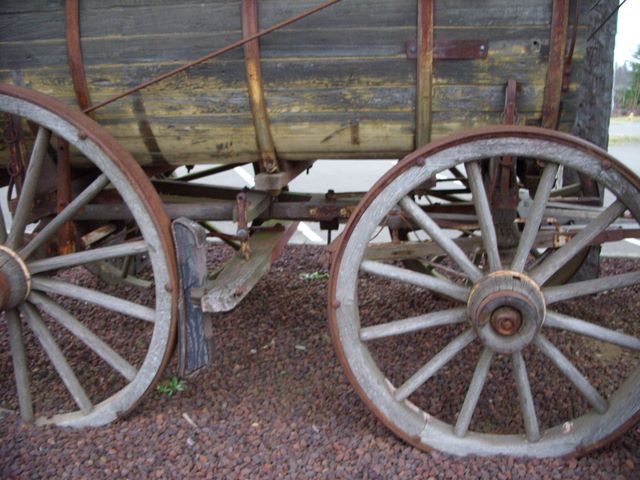
Nice brakes, I would not want to have to stop this puppy when it was full with those brakes. 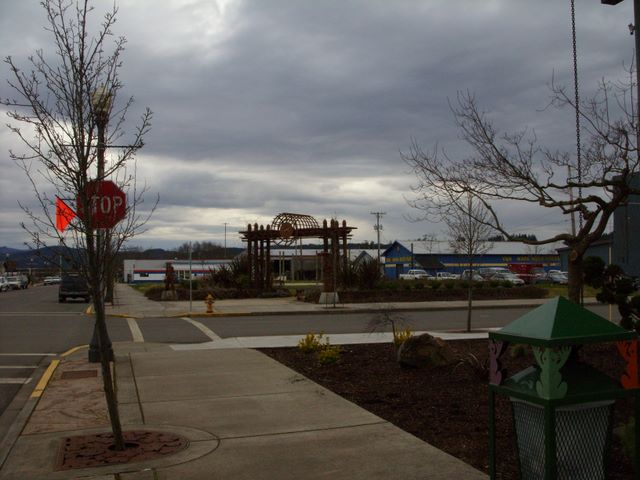
A park in Raymond WA. Just before we found the Northwest Carriage Museum. 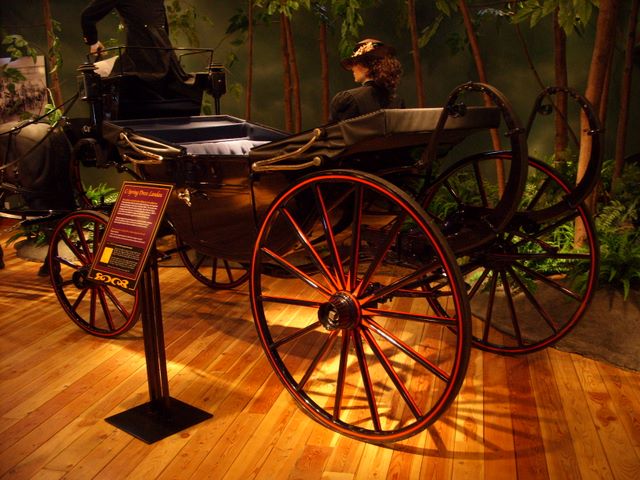
The C-Spring dress Landau again. 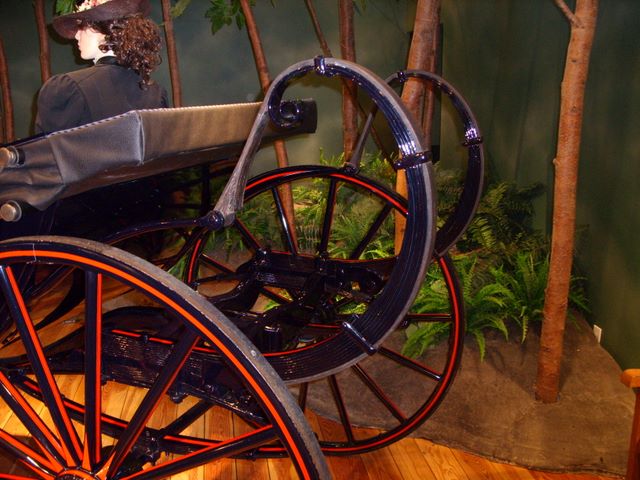
Big honking springs. 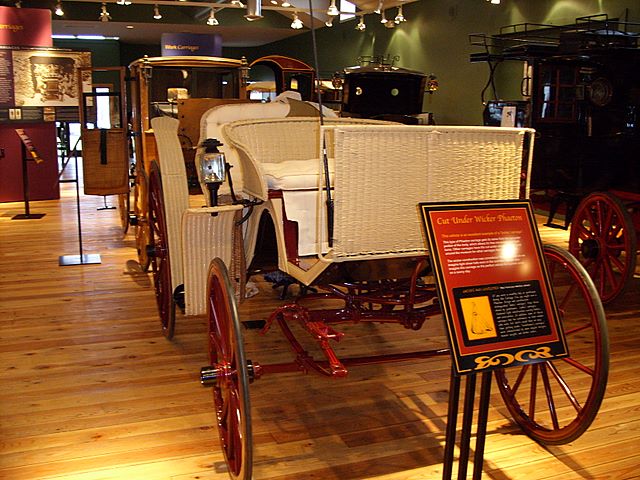
This is a Cut Under Wicker Phaeton. Wicker, I guess we won’t see many cars made of this easy to recycle material on our roads. This is an excellent example of a ?ladies? carriage. 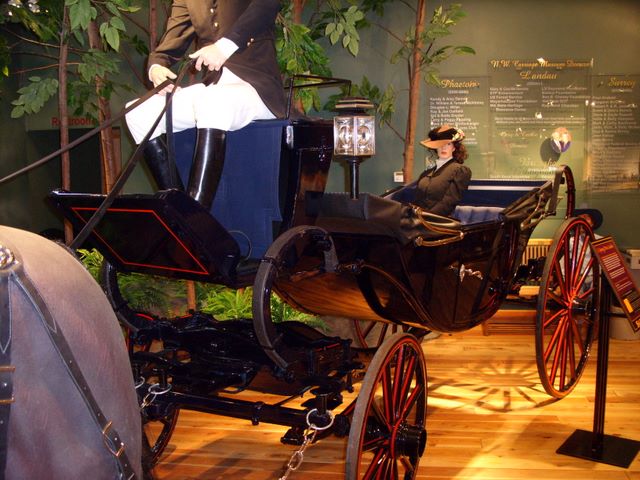
C-Sprint Dress Landau. The Landau is a Coach with a falling (or convertible) top. 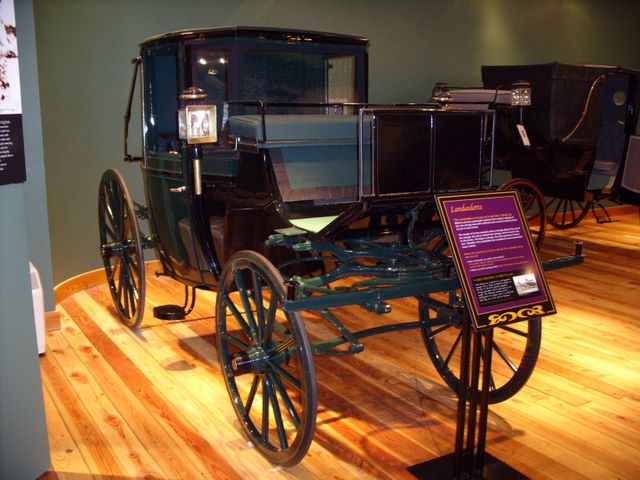
The Landaulette is a Coupe cut in half with a falling (convertible) top. THE CONNAUGHT MOTOR & CARRIAGE CO. 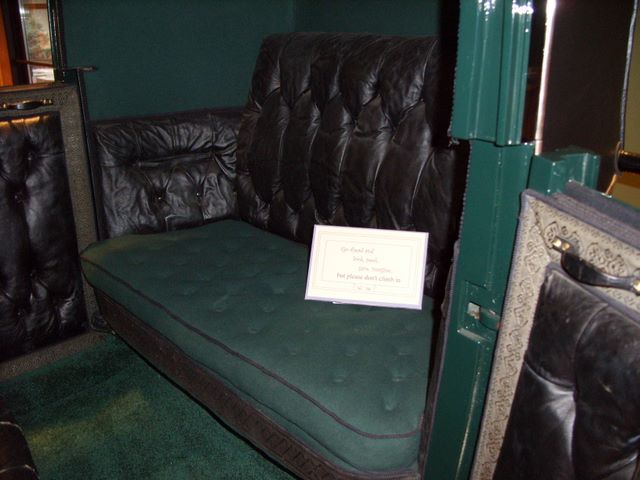
Inside the Landaulette, pretty swanky. 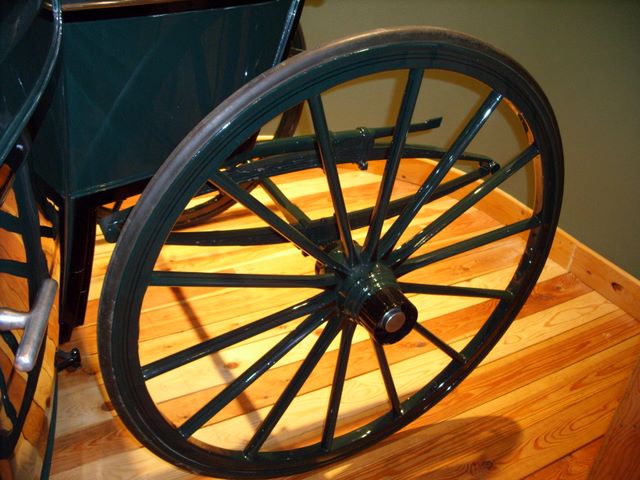
Mighty fine workmanship. The side of the Cut Under Wicker Phaeton. 
This is a very fancy one a ?Summer Coupe Brougham?, man this had to cost a VERY pretty penny in it’s day. 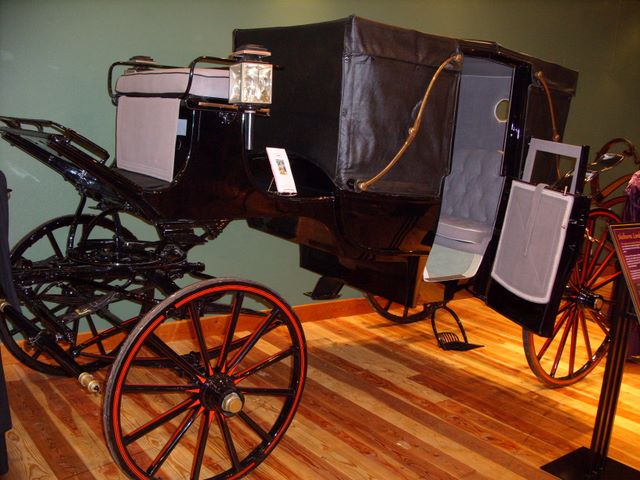
Looks like it says ?Shellburne Landau?. Very fancy and apparently had a part in the movie ?Gone with the wind.? 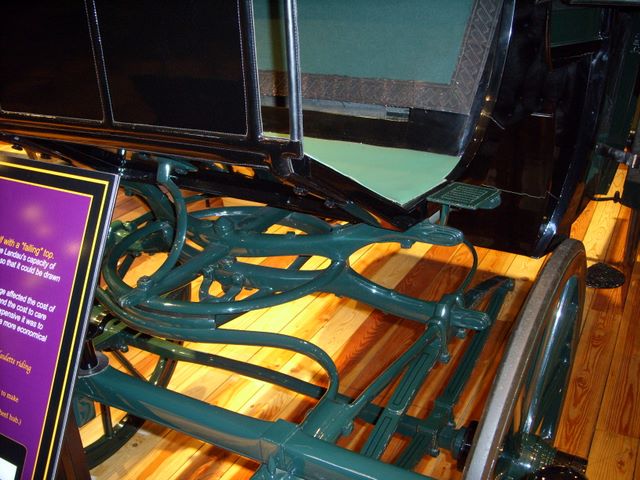
I don’t know which one this under carriage belongs to, it just looked cool at the time. 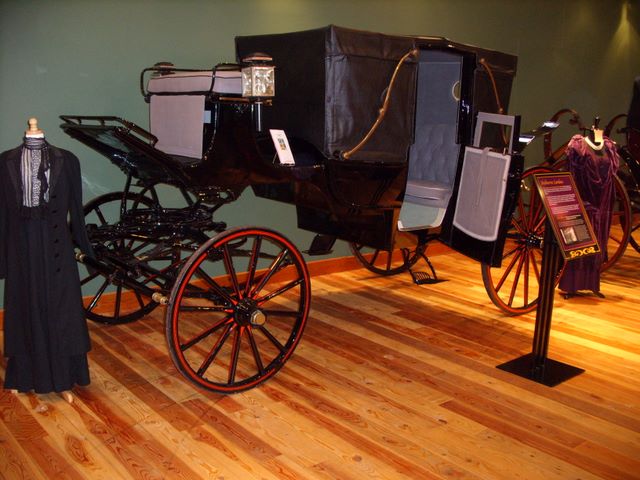
A little more of the Shellburne Landau. 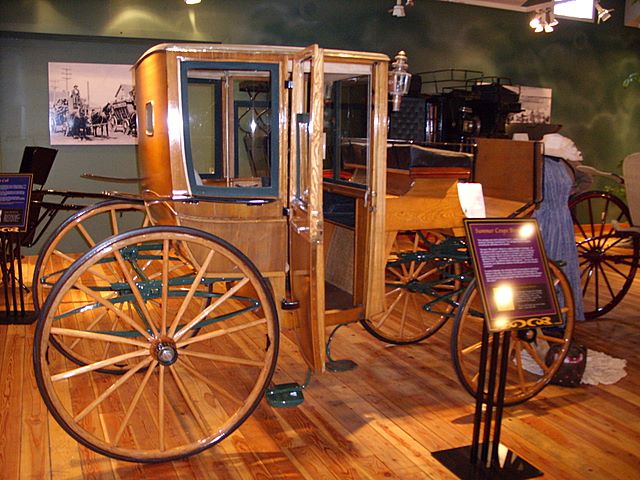
Again the Summer Coupe Brougham. 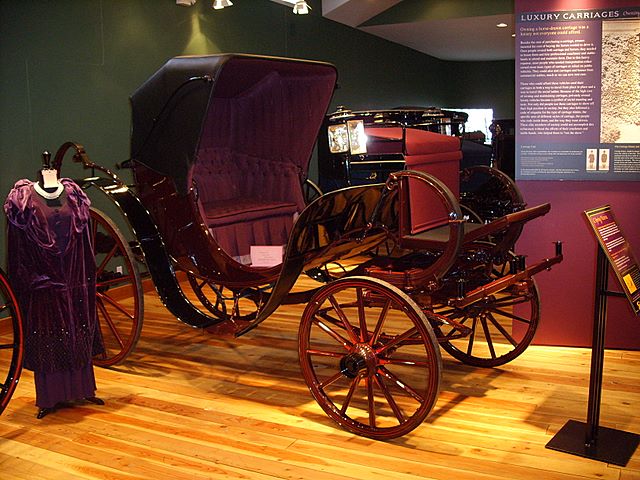
Again the C-Spring Victoria, and a matching gown. The lines on this puppy are amazing. 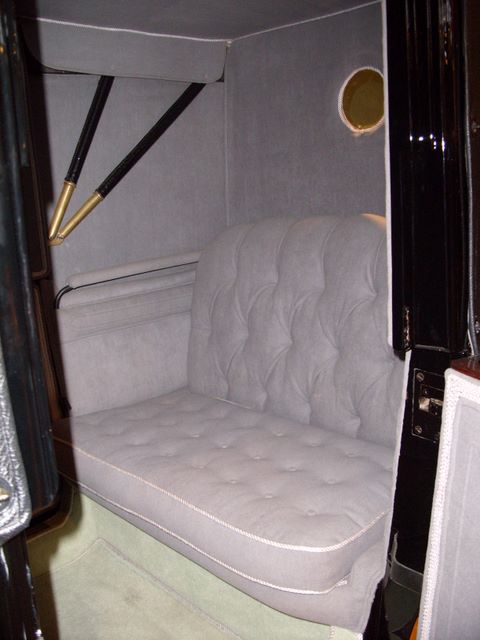
Inside the Landau. Cool and comfy. 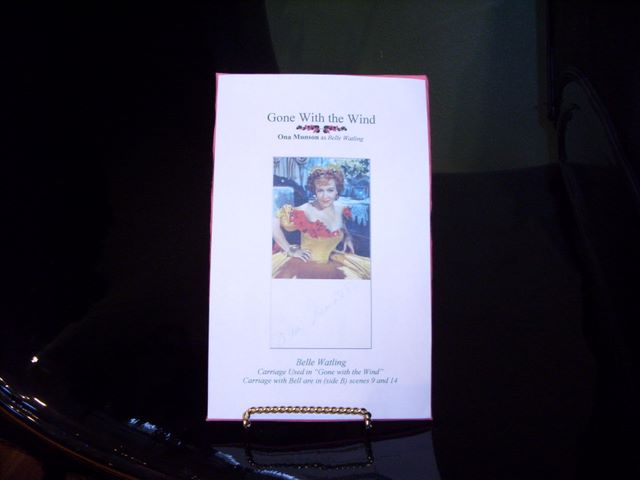
Belle Watling Carriage Used in ?Gone with the Wind? Carriage with Bell are in (side B) scenese 9 and 14 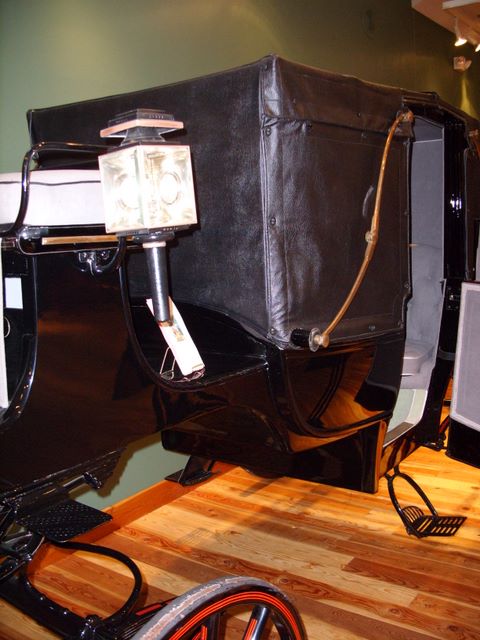
That looks like a leather top. These things had to be hard to get together, it said that these were hard to build on the card. 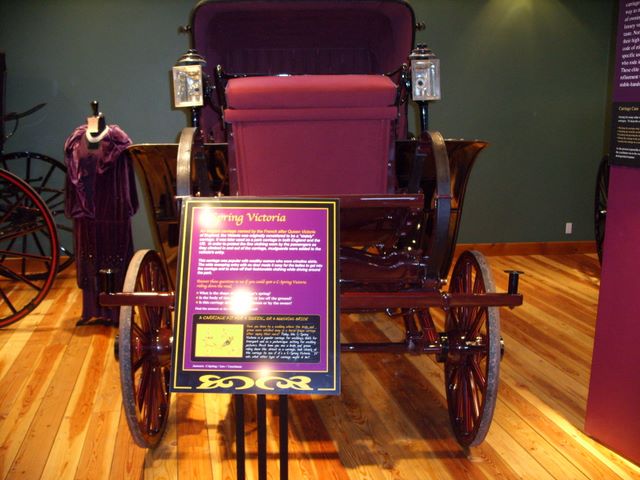
A C-Spring Victoria. LOOVE that color. 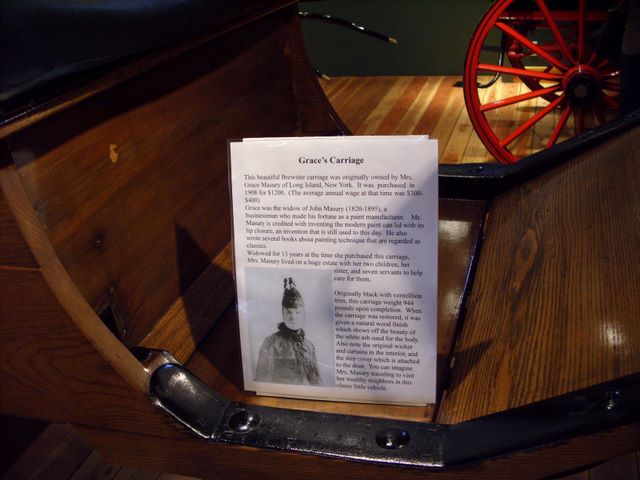
Grace’s Carriage. This beautiful Brewster carriage was orginally owned by Mrs. Grace Masury of Long Island, NY. It was purchased in 1908 for $1200. (The average annual wage at that time was $300-$400) 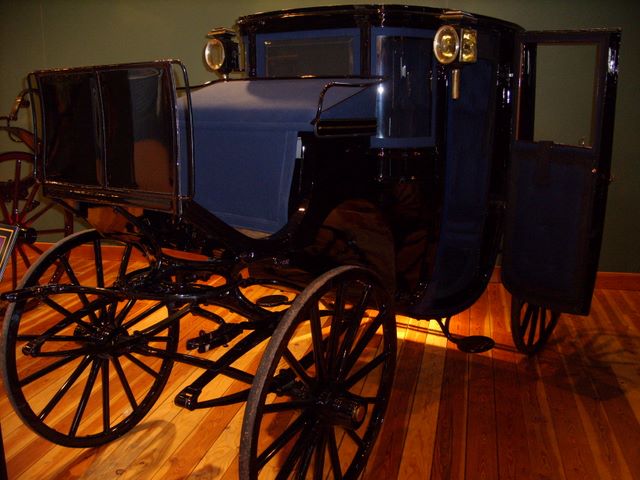
The Bowed Frond Brougham was a carriage typically owned by the elite, like the inventor, Lord Henry Brougham. 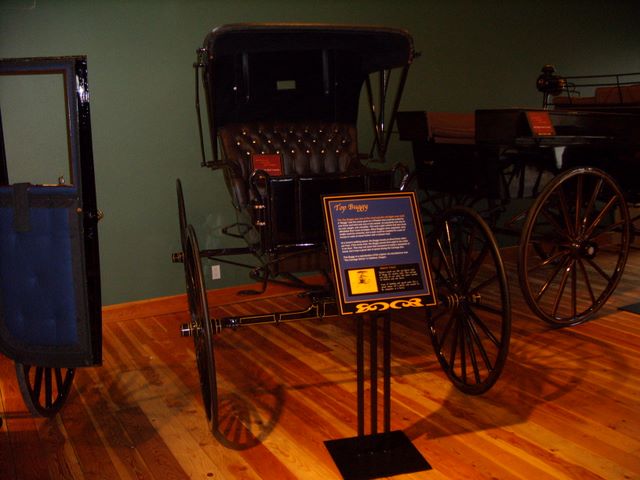
The “Top Buggy” was one of the most popular carriages ever built. A “Buggy” was the name given to a Phaeton that could be pulled by one horse and hold only one or two people. Its poplularity was due to its cost, weight, and versatility. 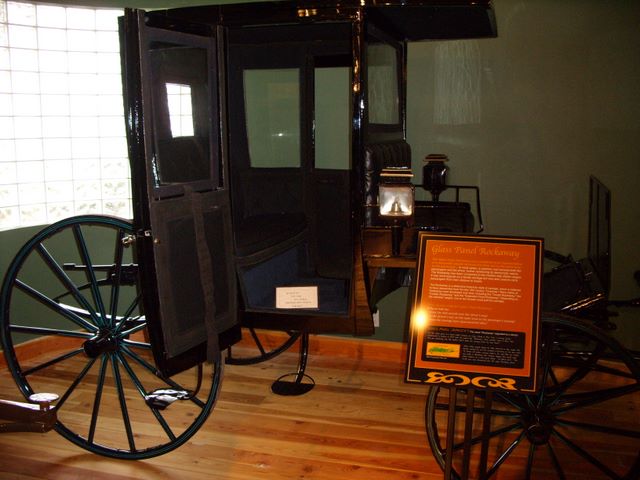
The Glass Panel Rockaway was considered to be representative of a democratic people because the driver sat on the same level as the passengers. 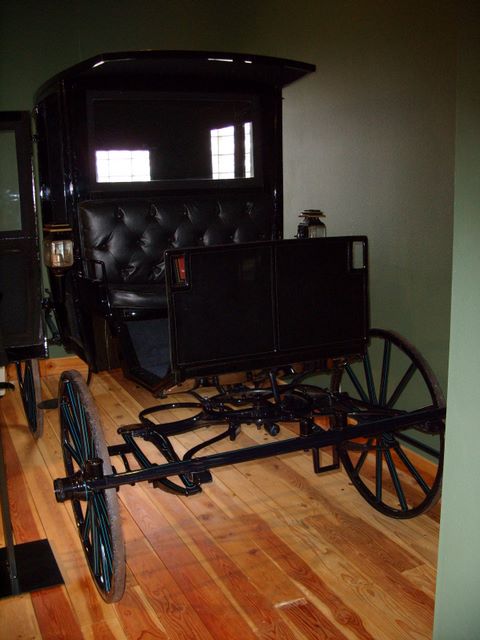
Again the Glass Panel Rockaway. 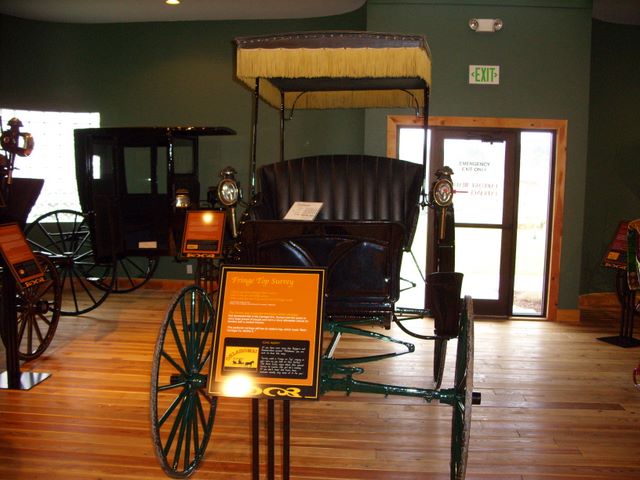
A Fringe Top Surrey. The Surrey was a popular American family carriage. 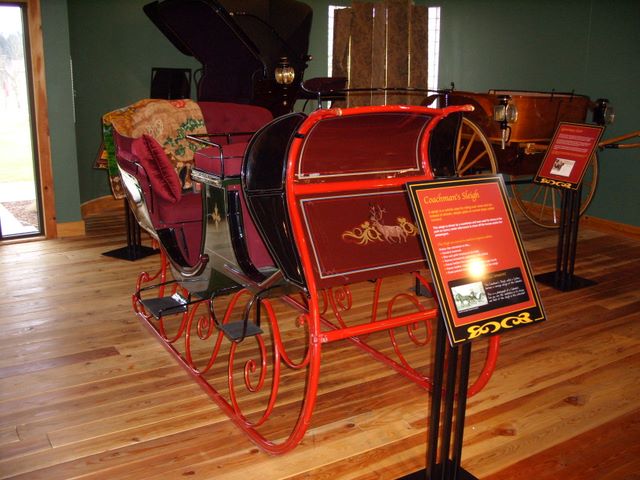
Coachman’s Sleigh. A sleigh is a vehicle used for riding over snow and ice. Instead of wheels, sleighs glide on curved strips called ?runners?. 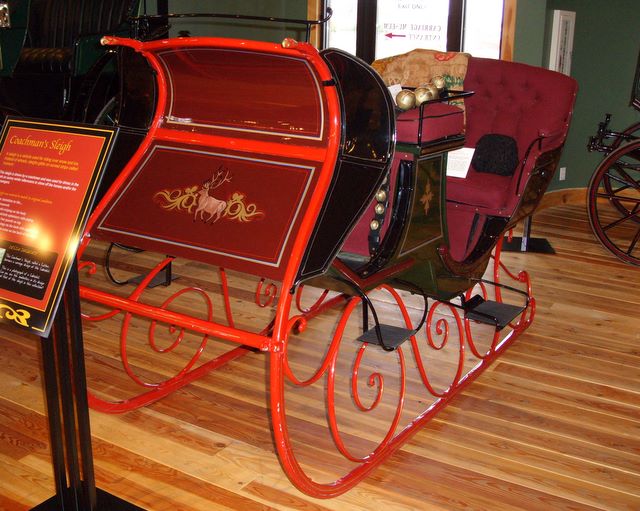
The sleigh again. 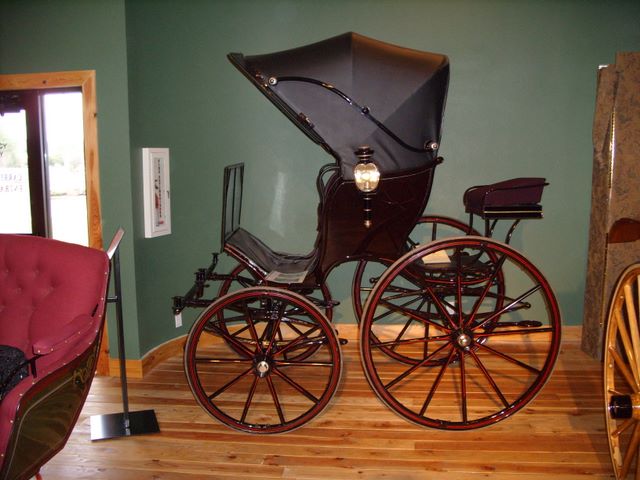
This one is pretty fancy too… Looks like I might have missed the sign. 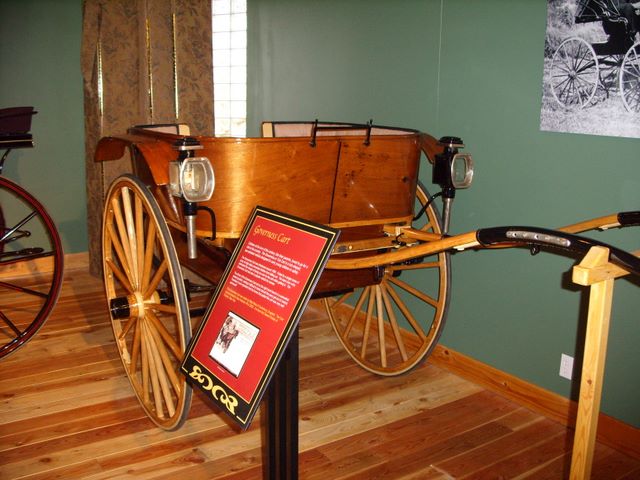
Governess Cart. Children at the turn of the century, like their parents, loved to go for a ride in the country. The Governess or Tub Cart is a tub-shaped, tow-wheeled vehicle designed to carry young children in safety. 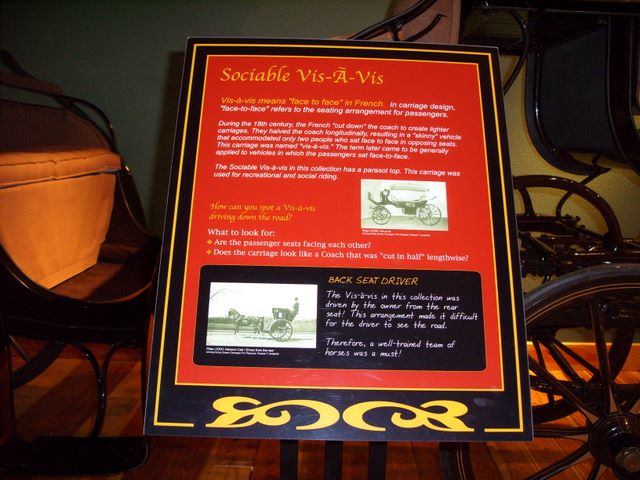
Sociable Vis-A-Vis, which means ?face to face? French. In carriage design, ?face-to-face? refers to the seating arrangement for passengers. 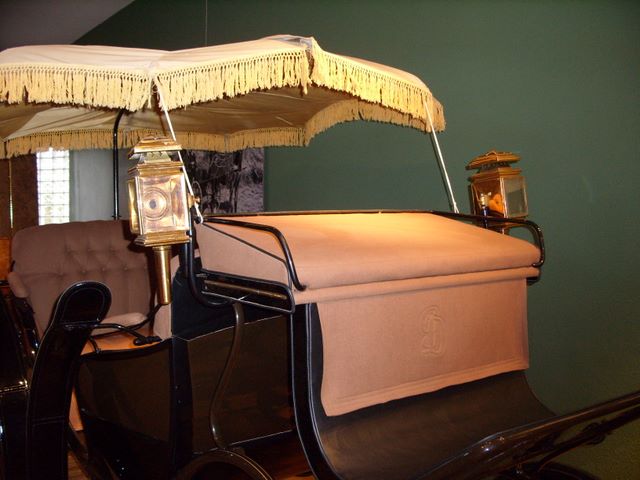
Only other shot of the Vis-A-vis. 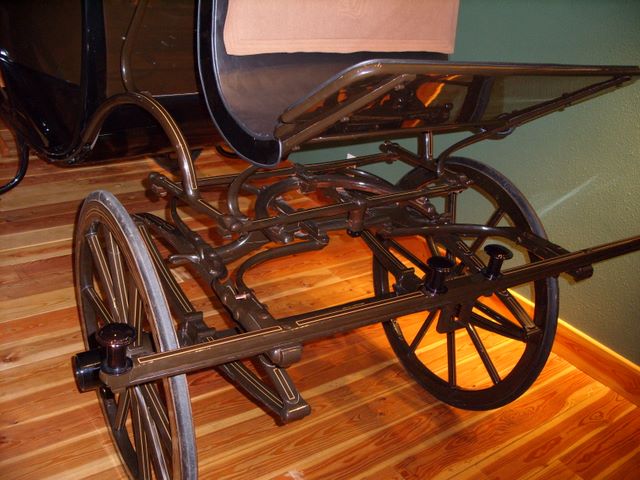
The undercarriage, these are much cleaner than they would be in real life use. 
Looks pretty comfy in the sleigh. 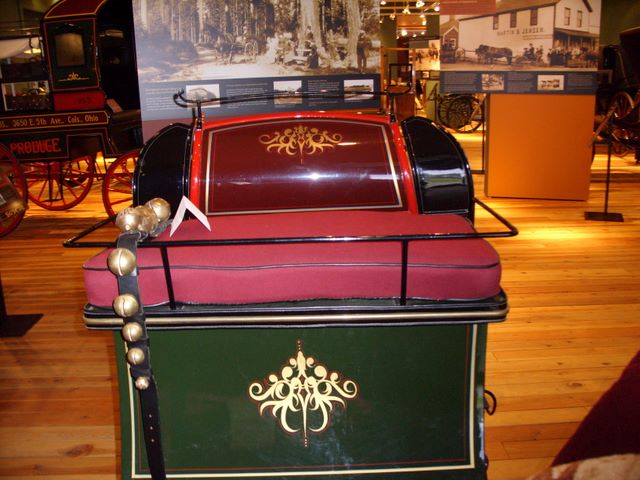
View from the back seat of the sleigh. 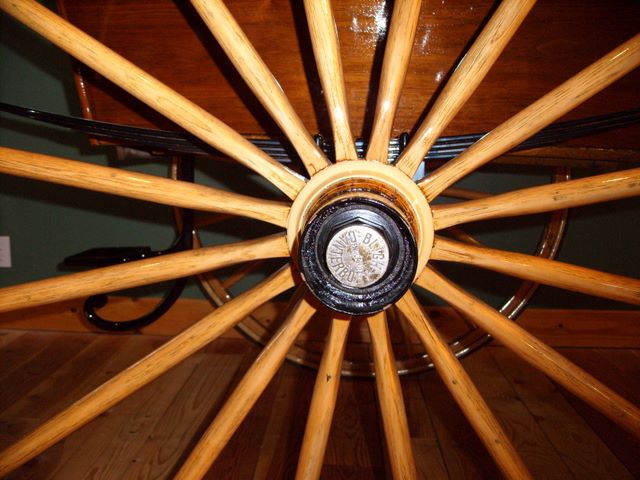
The wheel of the Governess cart. 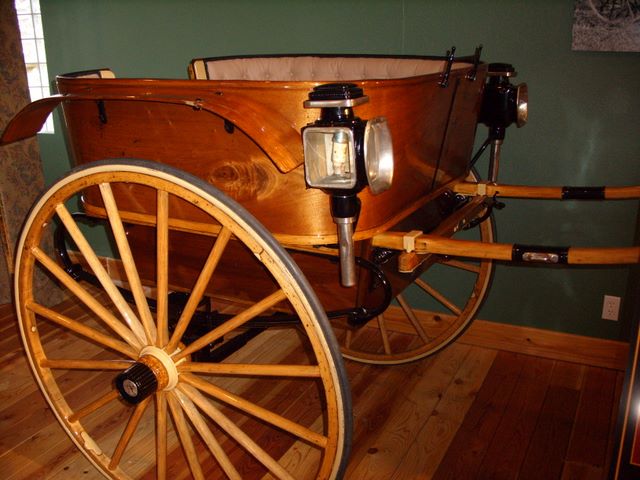
Closer up to the Governess cart. 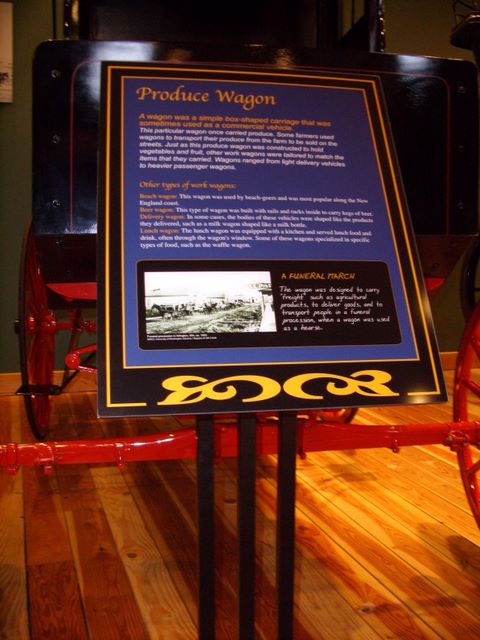
Produce Wagon. A wagon was a simple box-shaped carriage that was sometimes used as a commercial vehicle. 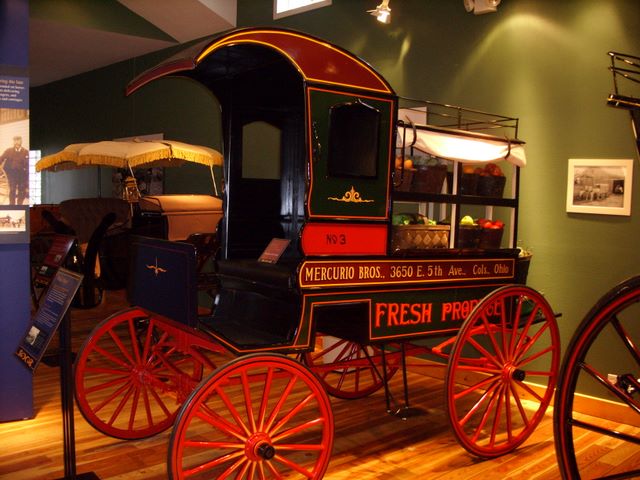
Long shot of the Produce Wagon. Cool. 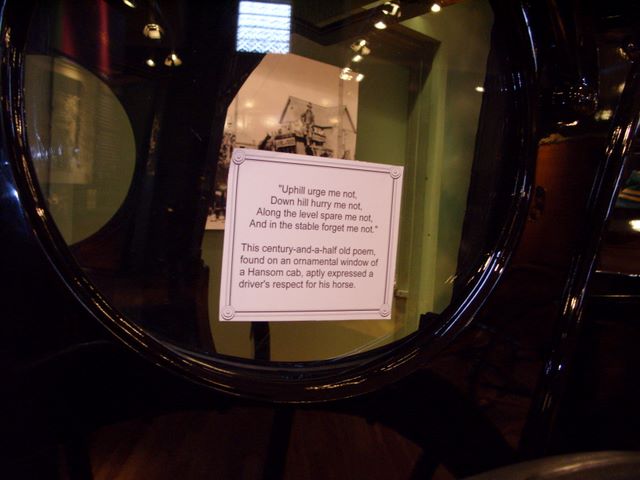
?Uphill urge me not. Down hill hurry me not. Along the level spare me not.? This century-and-a-half old poem, found on an ornamental window of a Hansom cab, aptly expressed a driver’s respect for his horse. 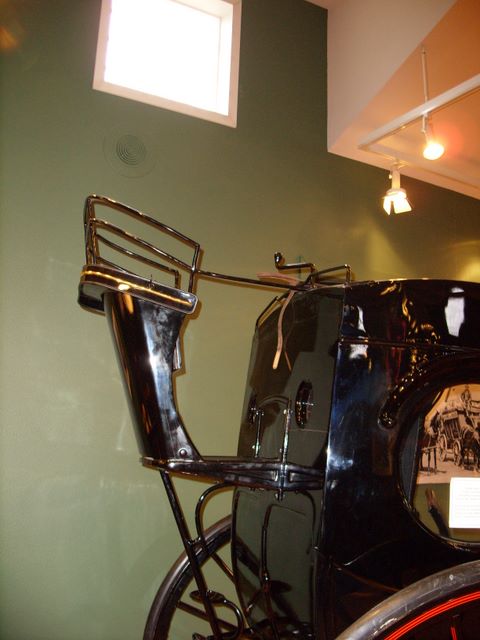
The drivers seat of the Hansom cab. 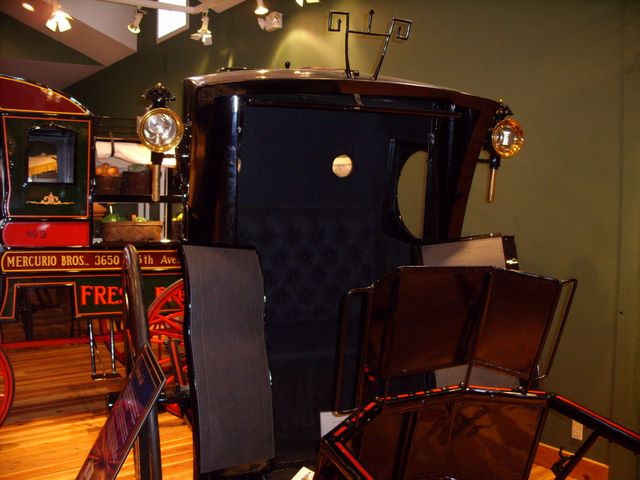
Originally known as the Hansom Safety Cab, it combined speed with safety in the busy streets of the city. The Hansom Cab is the predecessor to our modern taxi cabs. It was patented in 1834 and named after its inventor, Joseph Hansom. 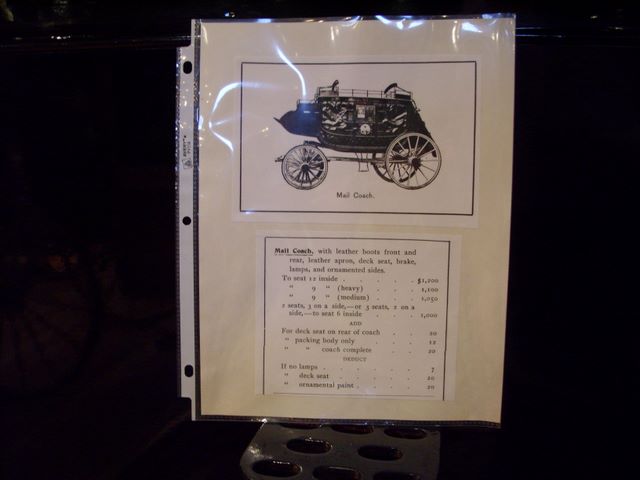
Mail coach ordering specs. The high cost looks like $1,200 to seat 12. 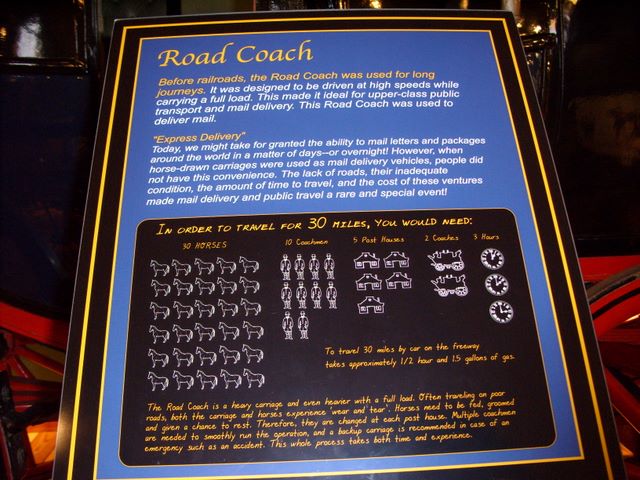
Before railroads, the Road Coach was used for long journeys. It was designed to be driven at high speeds while carrying a full load. This made it idea for upper-class public transport and mail delivery. 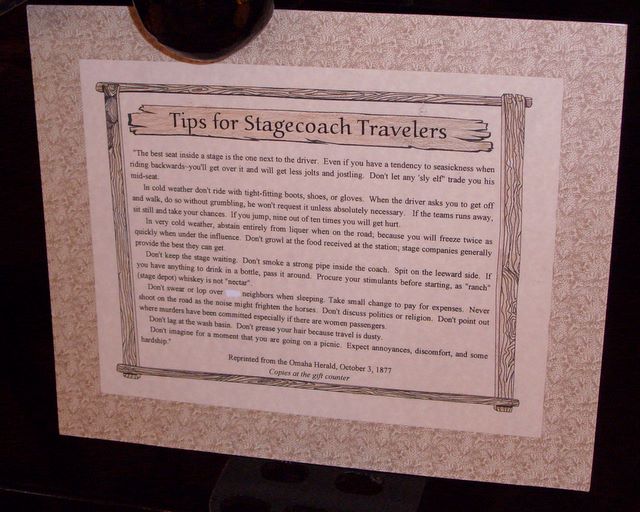
Tops for Stagecoach Travelers. I’ll try to transcribe this at a later date. Detail shot of the Road Coach. 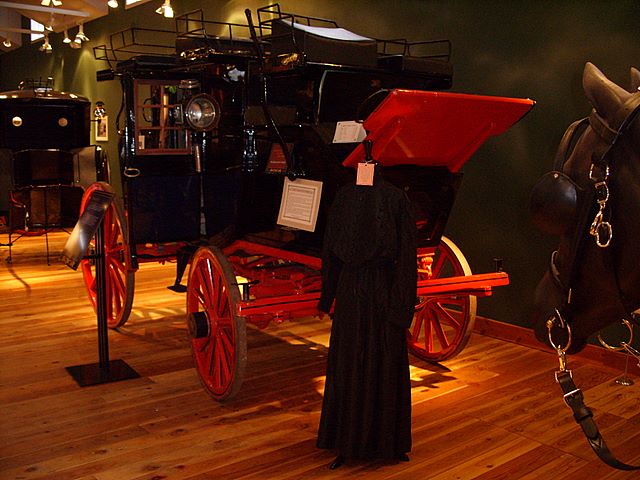
Longer shot of the Road Coach. 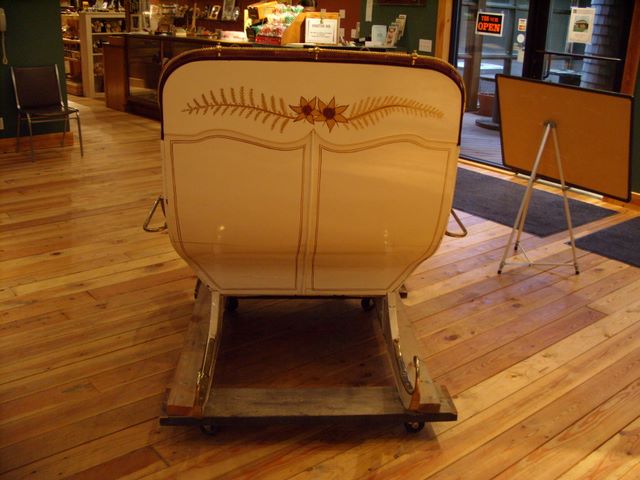
Backside of another sleigh. 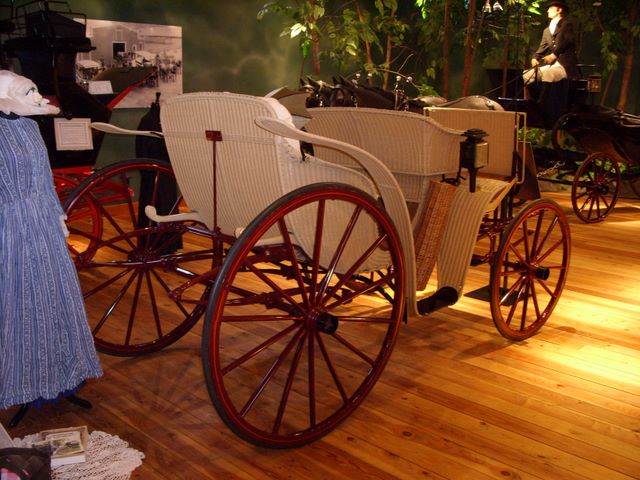
Back side of the Wicker Phaeton. 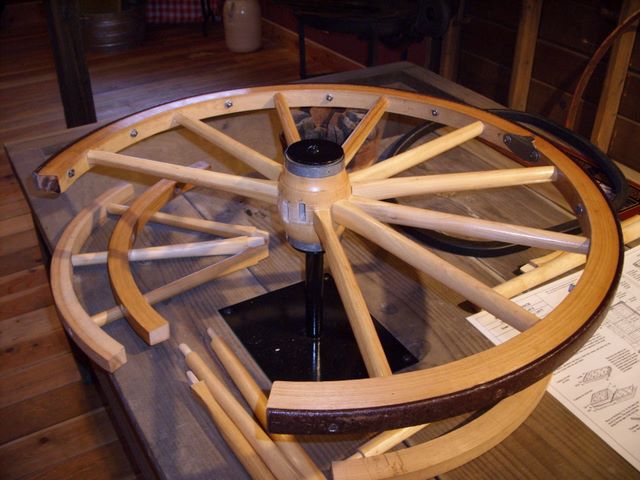
A wheel being built. I am glad bicycles use rubber tires now. Originally I think they were very similar to these wagon wheels. 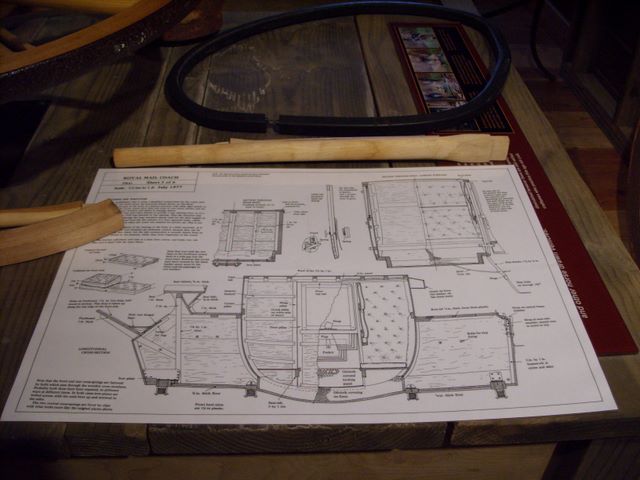
Stage Coach plans. Lets start building one… 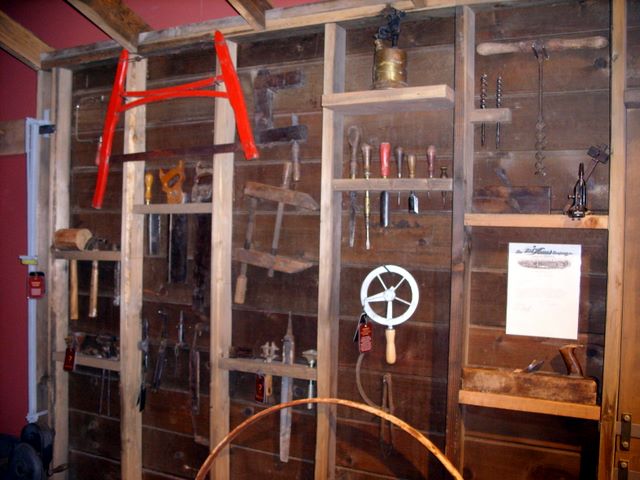
Tools of the trade. 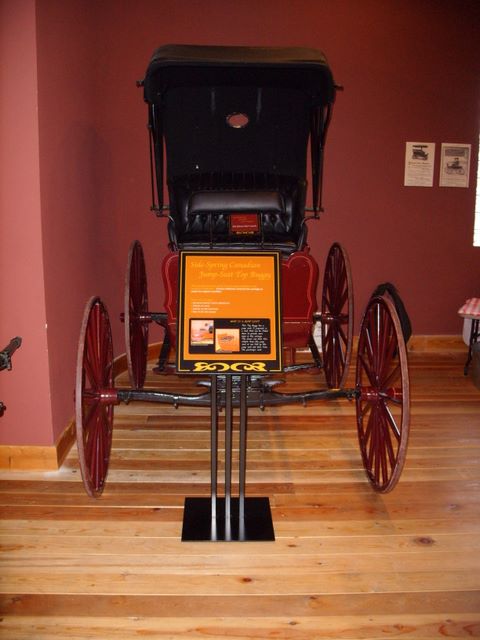
Side-Spring Canadian Jump-Seat Top Buggy. 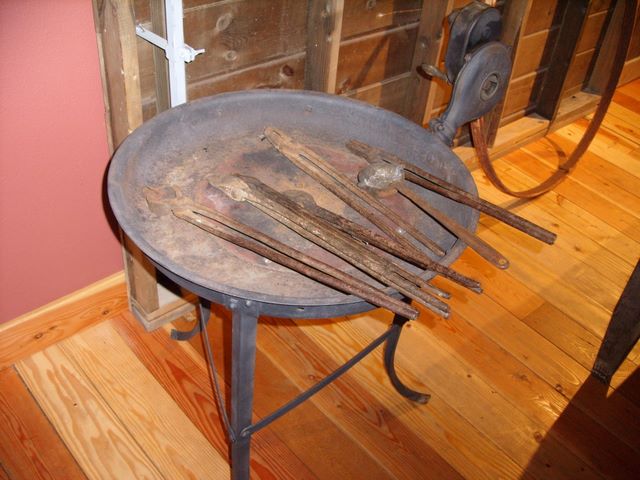
Craftsman tools. 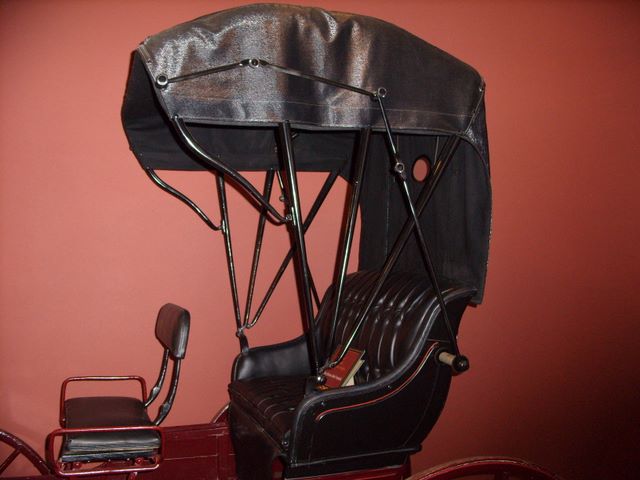
Again with that buggy. 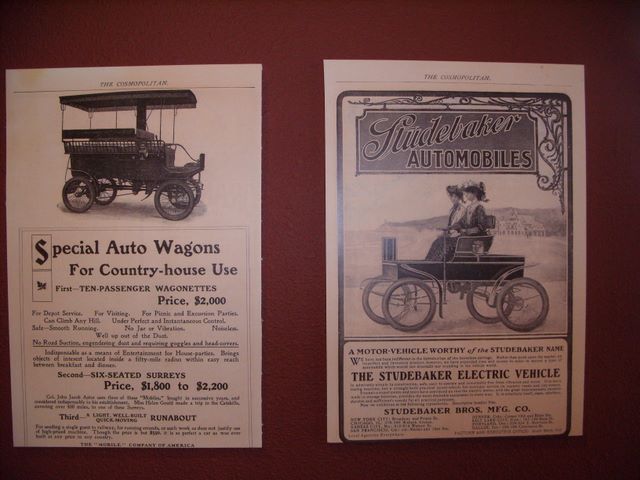
Some ads for wagons and the one on the right is for The Studebaker Electric Vehicle. Cool how far we have gone backwards… 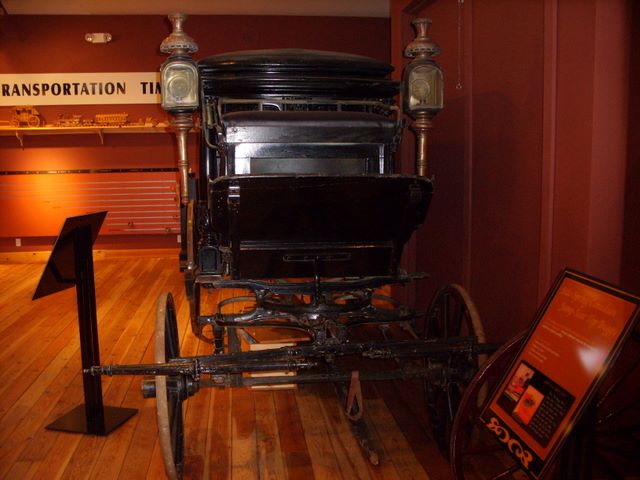
From the front of the hearse. 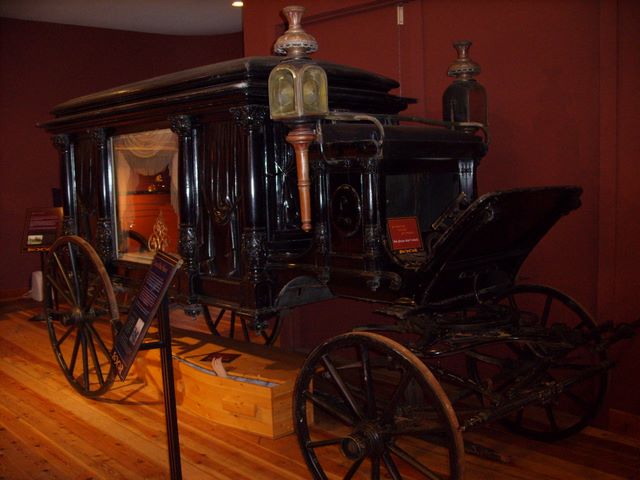
Carved Panel Hearse. This elegant hearse features exquisitely carved coumns and draperies. Notice the old pine box under it. 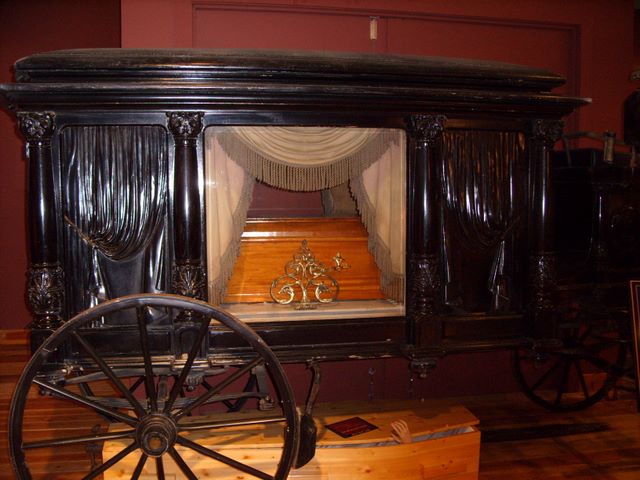
Very fancy way to go out. 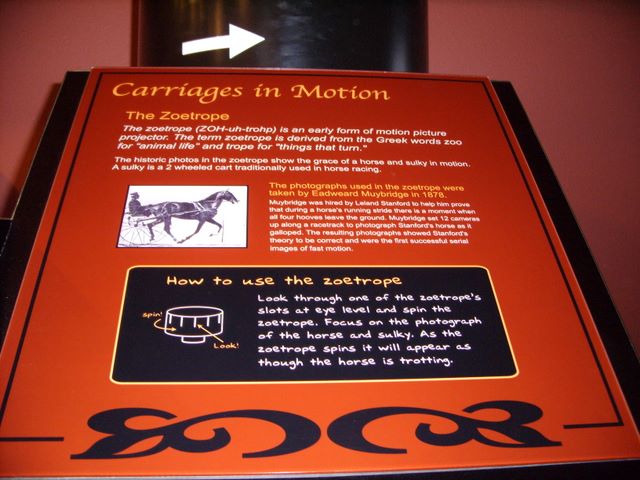
Cool a Zoetrope. Too bad I can’t show this. Just go to the ballard theatre and you can get idea of what this looks like. Their logo page simulates this. 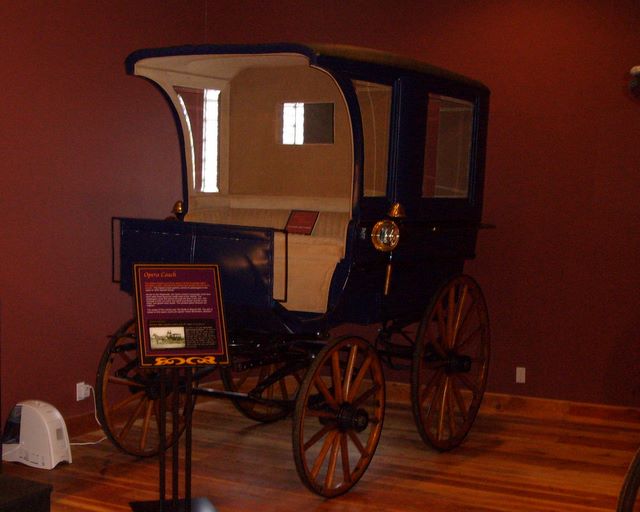
The Opera Coach is a luxury version of the European Style Omnibus, public vehicles that transported people around urban streets. 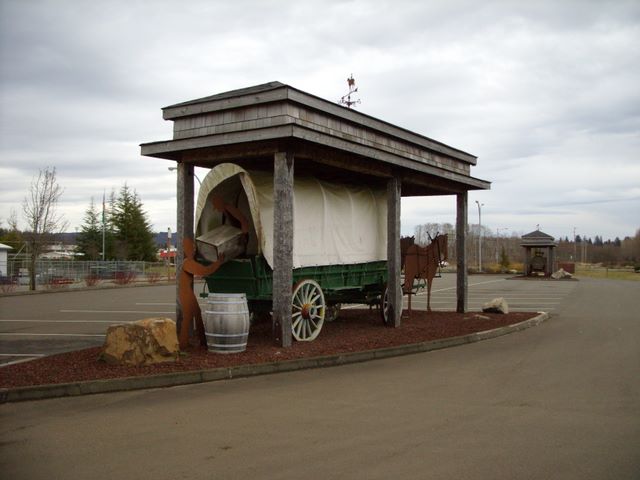
Metal sculptures loading a wagon. And iron horses pulling it. 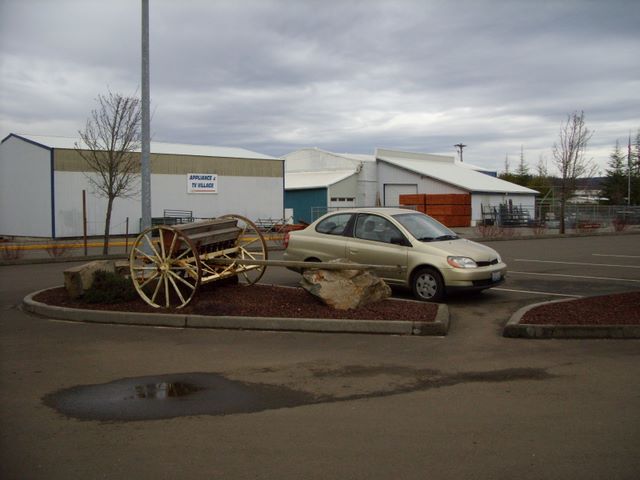
There is my trusty steed for this trip. Goldie almost seems to be hooked up to that farm implement. 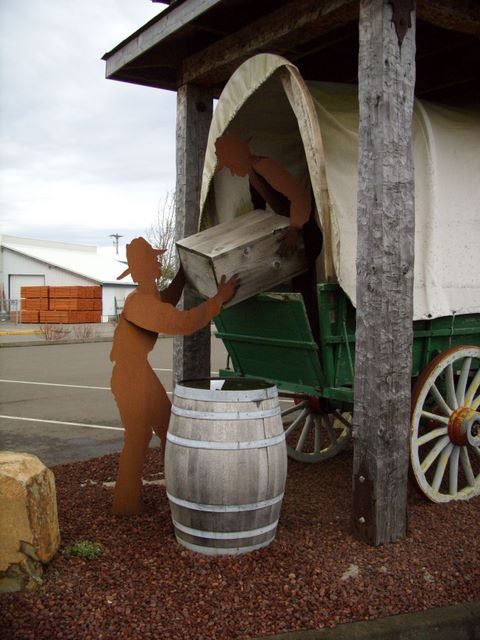
Closeup of the metal men. 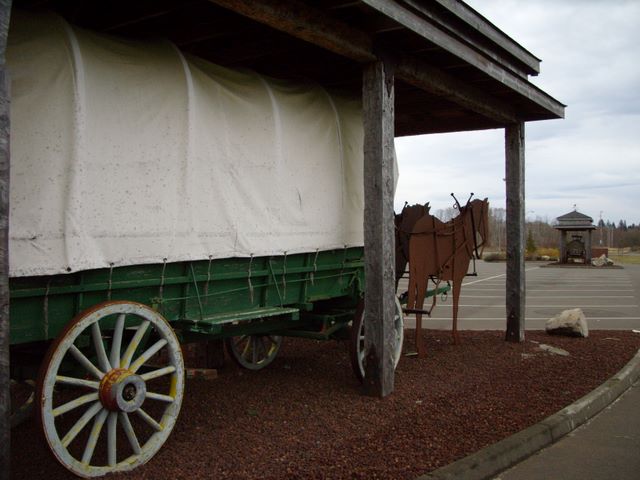
A closer view of the wagon. 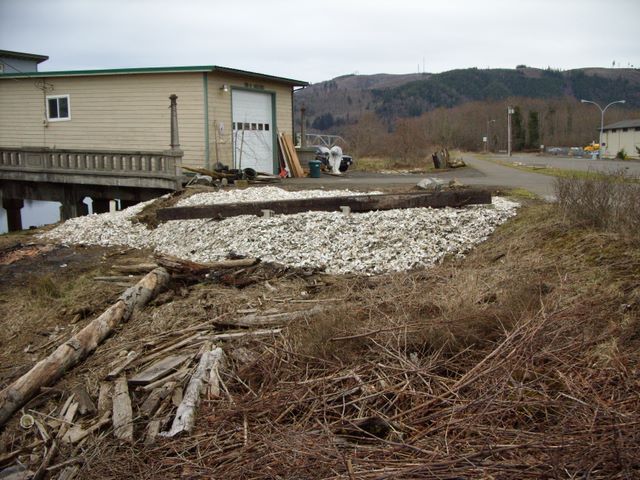
Quite a pile of Oyster shells there.
