Our Takara Sake Museum and Tasting experience.
Whoo Hoo! Sake tasting time!!! 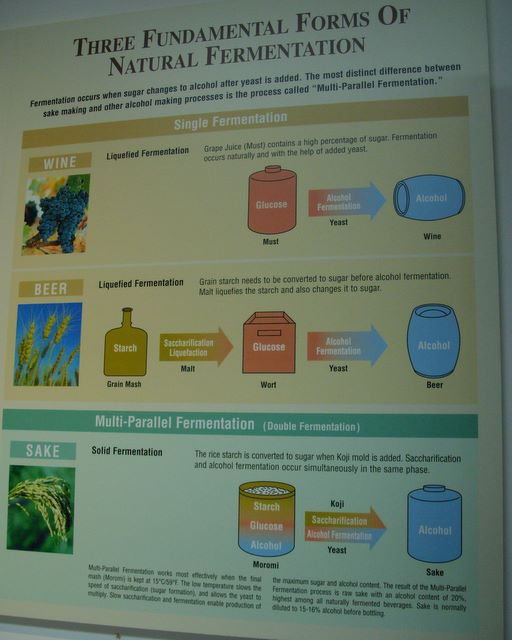
Three Fundamental Forms of Natural Fermentation. I’ll fill in the blanks later if needed. 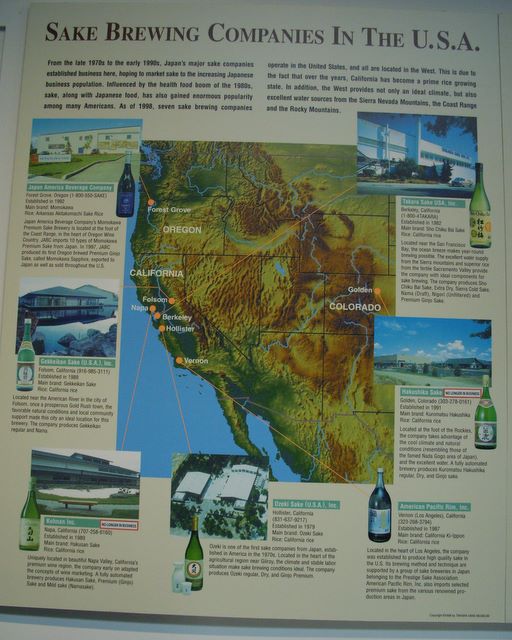
Sake brewers in the USA. One in Forest Grove, Oregon. We’ll have to try this one out. A bunch right around the Bay Area here. And a defunct one in Golden Colorado. Bummer. 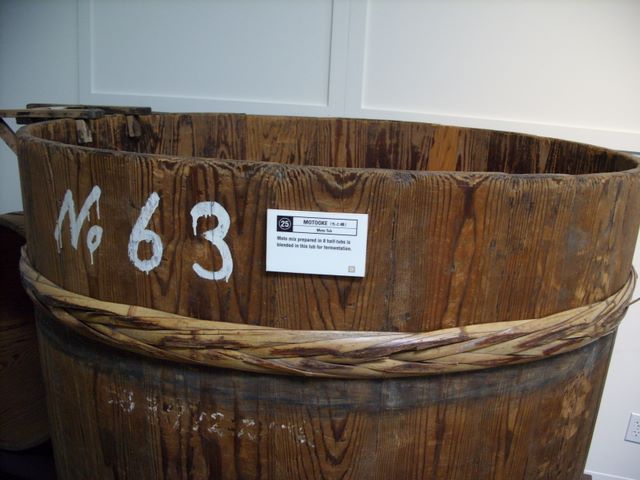
A big barrel. Called a Motooke, Moto Tub. 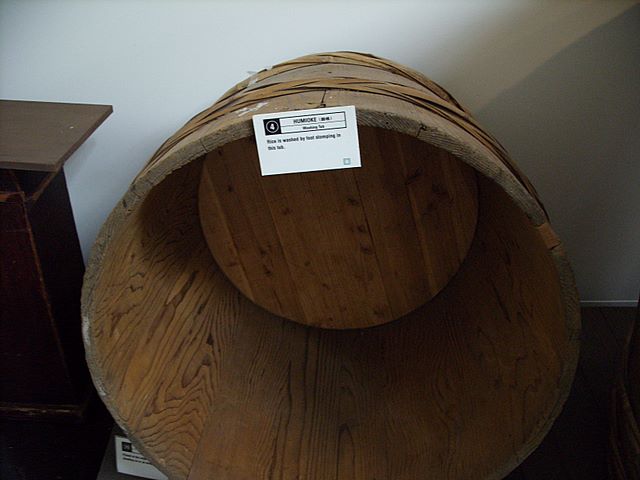
Another tub. Humioke. Washing tub. 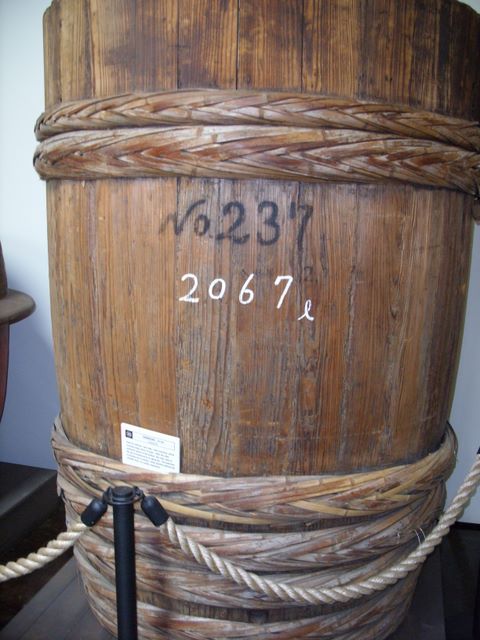
Man they used a bunch of tubs and barrels. Oribikioke, Settling Tub. 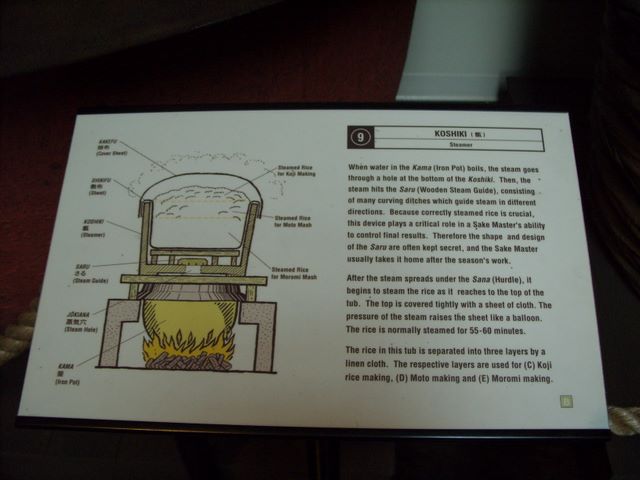
Koshiki, Steamer. 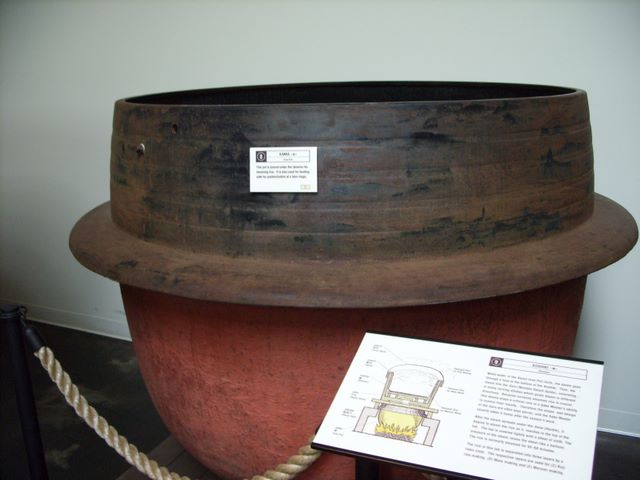
Kama, Iron Pot. This pot is placed under the streamer for steaming rice. This is a HUGE rice cooker. They also used this to pasteurize the Sake at a later stage. 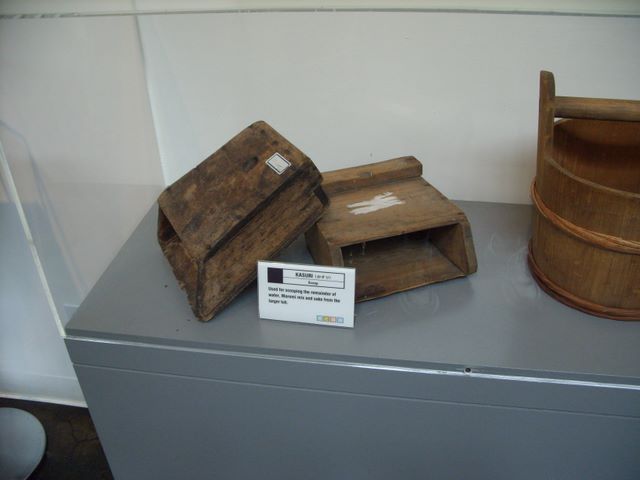
Other sundries… 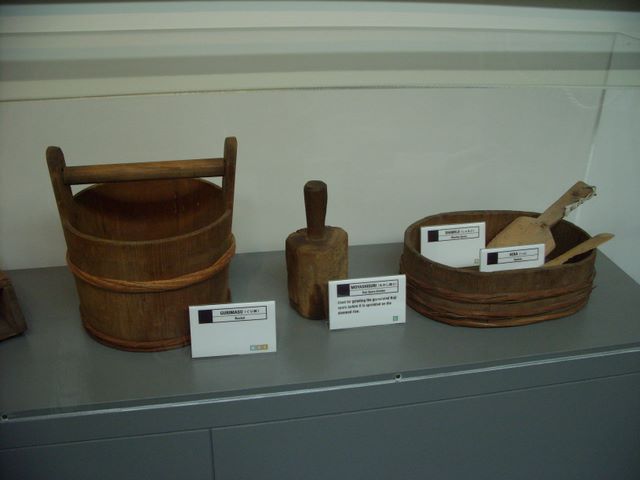
Even more sundries… 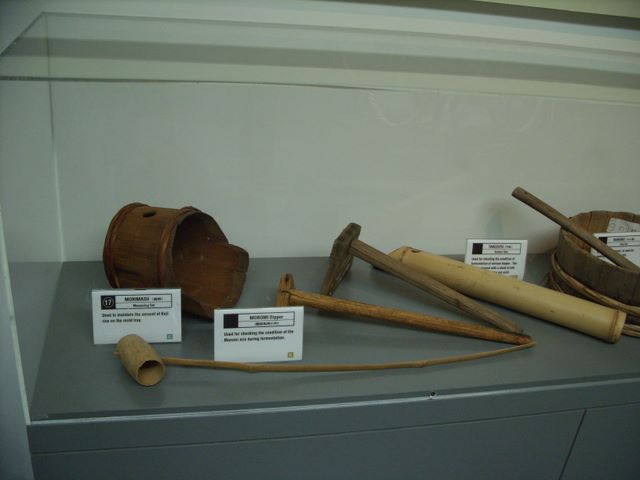
And more… 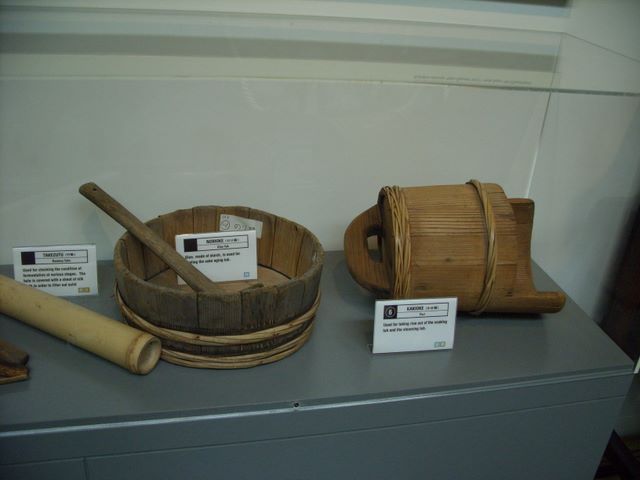
Man they used a bunch of stuff… 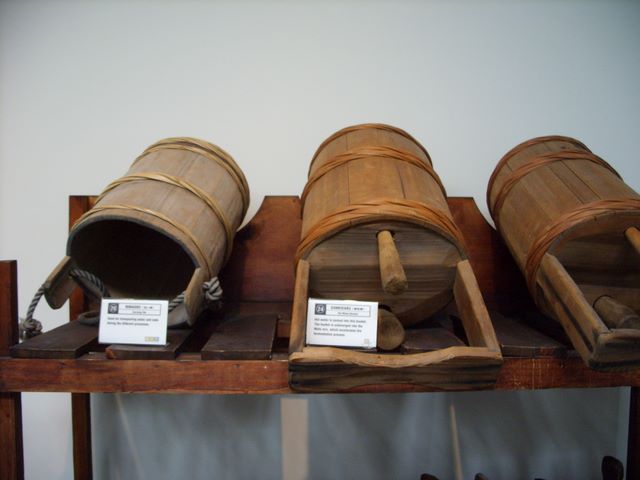
The open bucket was used for transporting water and sake. The middle one was filled with hot water and submerged into the mix to speed the fermentation process. 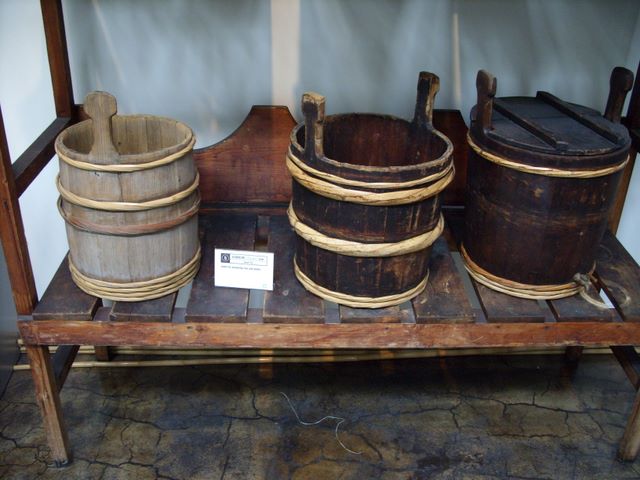
Gonburi, Hand Tub. I call it a bucket. 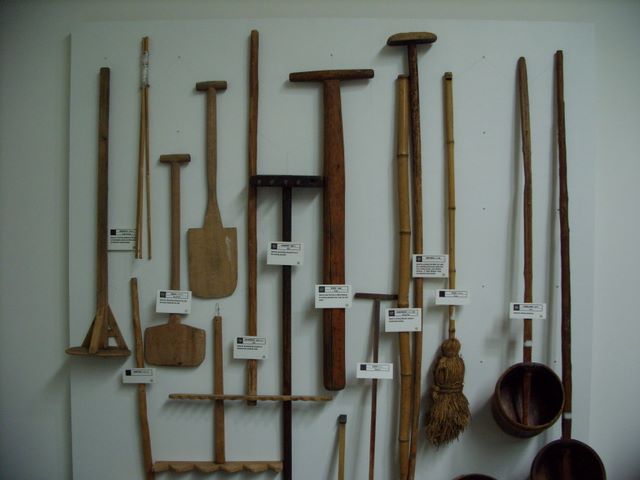
More tools of the trade. 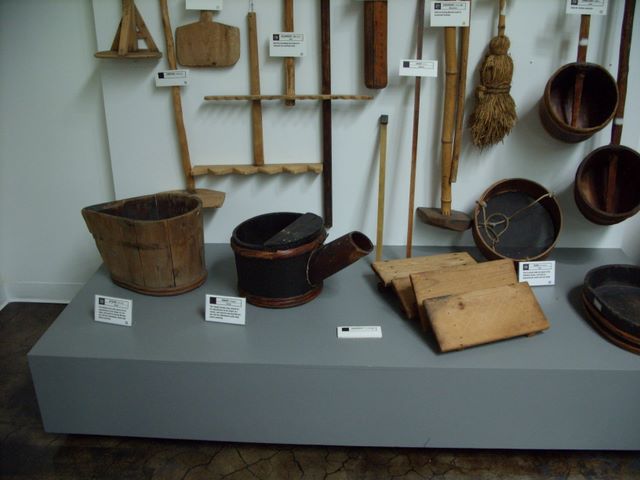
This looks hard… 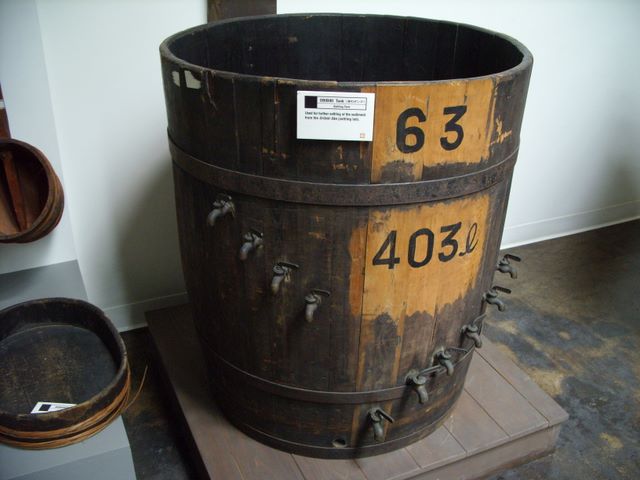
This is pretty cool. I think I will stick with drinking it. Making it takes like 6 months. 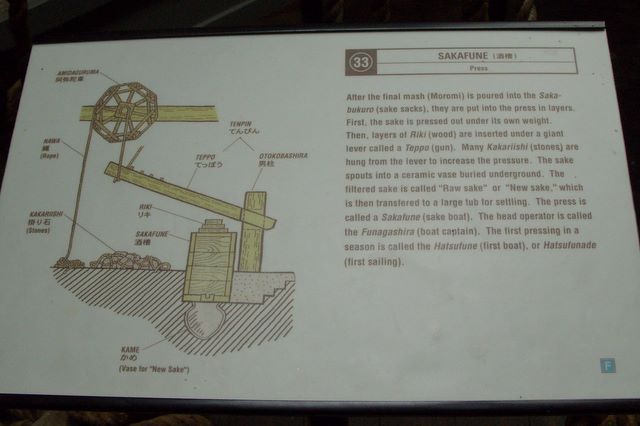
This is a drawing of the press that was used. Sakafune, Press. 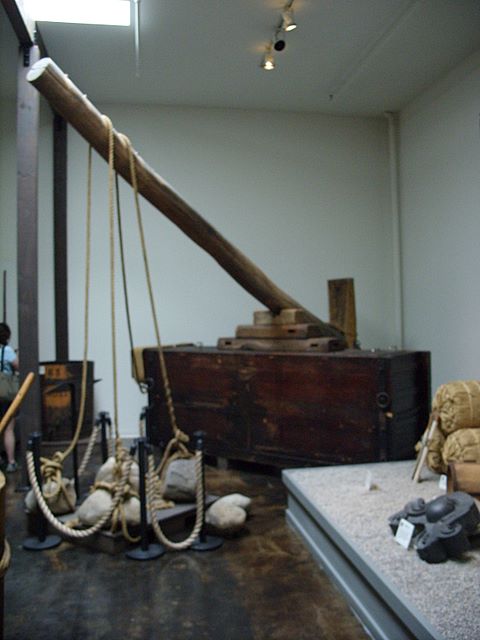
Here is what it looked like. Except for it was not blurry. 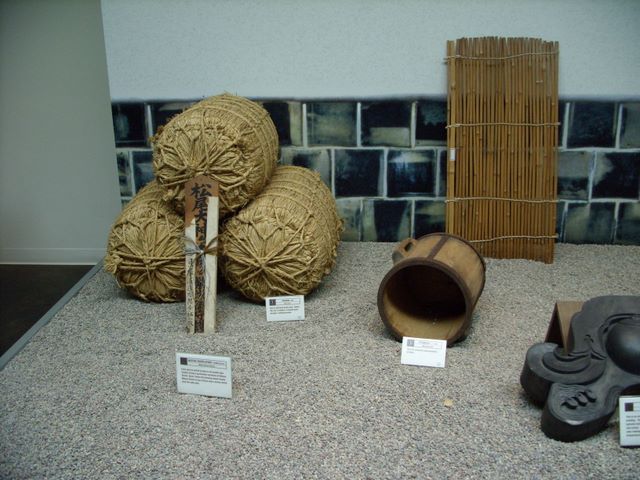
Rice packets. A bucket, I mean hand tub. 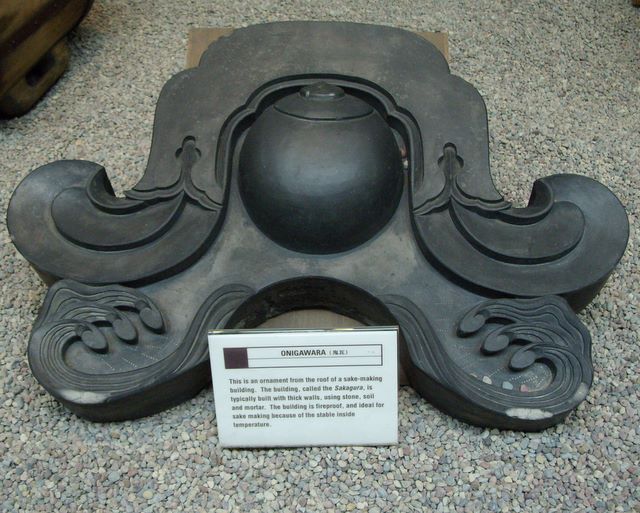
This adorned the roof of a sake-making building. 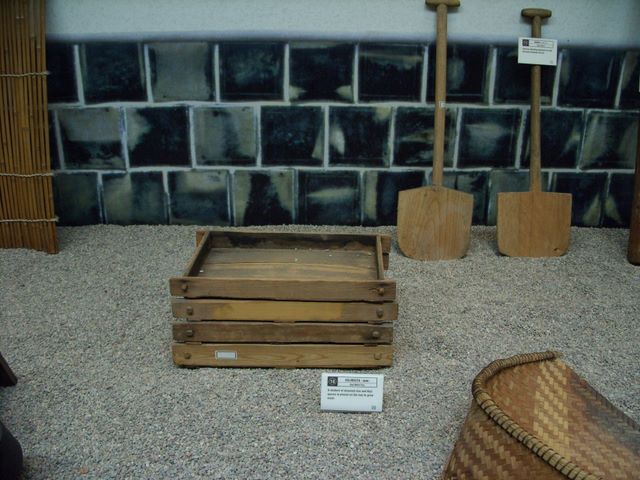
More stuff. 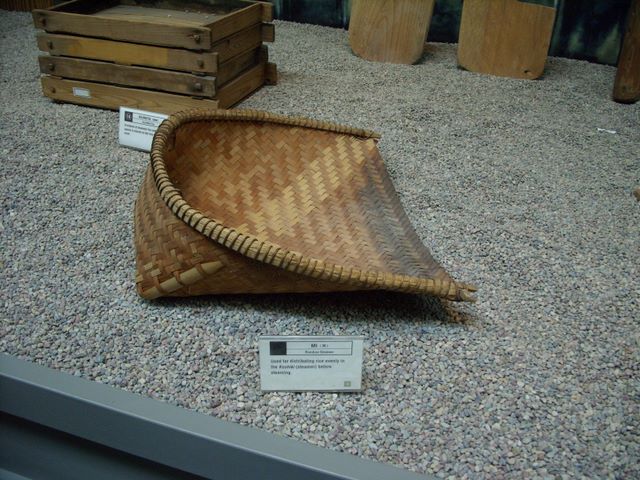
This is a MI, a Bamboo Strainer. 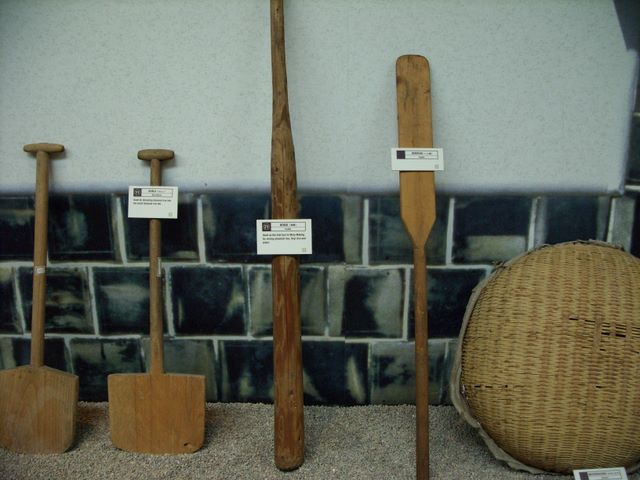
Some other hand implements. 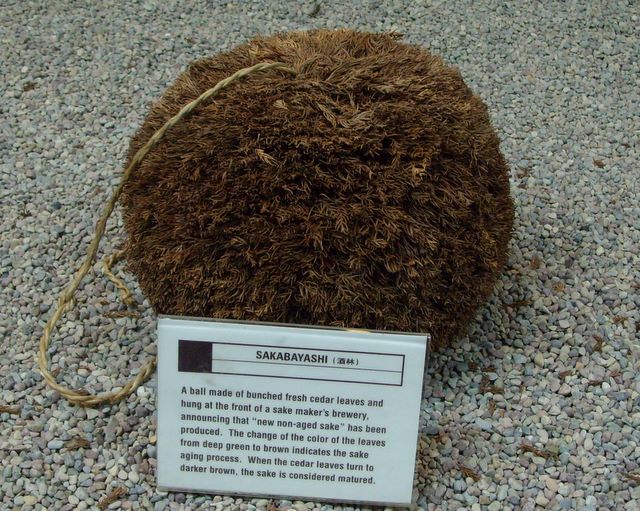
Sakabayashi. A ball made of bunched fresh cedar leaves and hung at the front of a sake maker’s brewery. Announcing that ?new non-aged sake? has been produced. The change of the color of the leaves from deep green to brown indicates the sake aging process. When the cedar leaves turn to darker brown, the sake is considered matured. 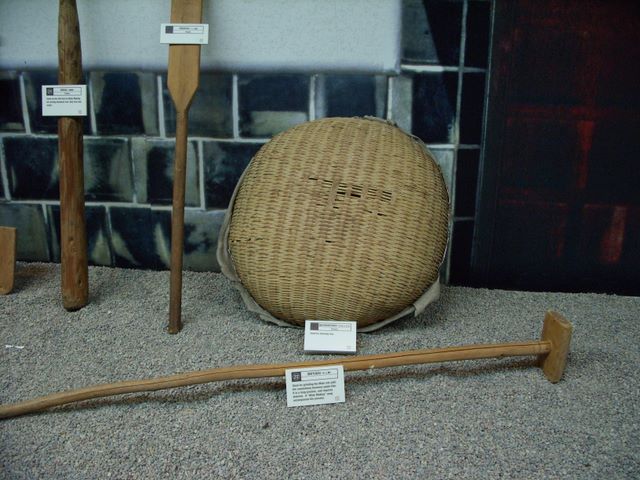
More implements of sake making. 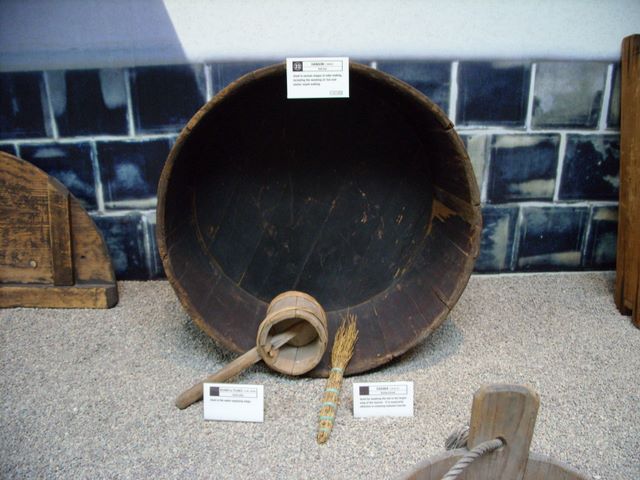
A tub. 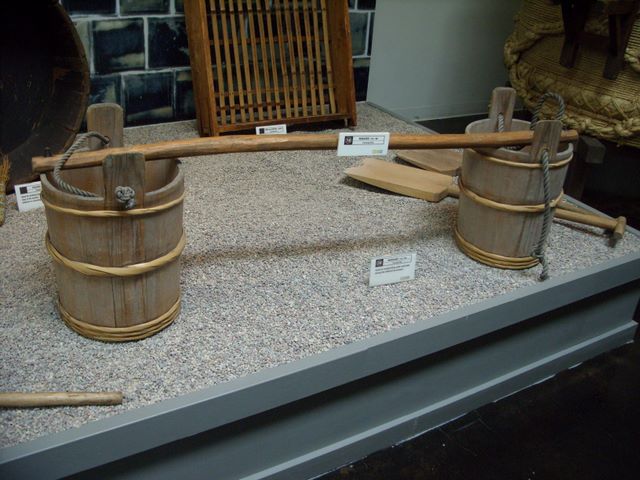
Something you see in movies. Two buckets with a pole between them. 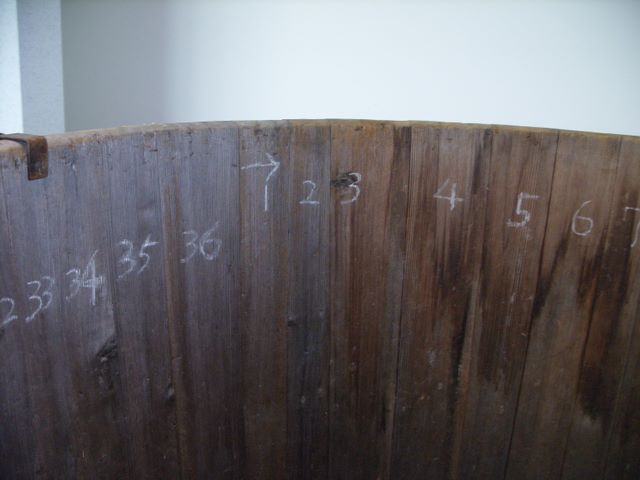
Inside a big tub. I would guess the numbers are to reassemble it, I don’t know if this would fit through the door. 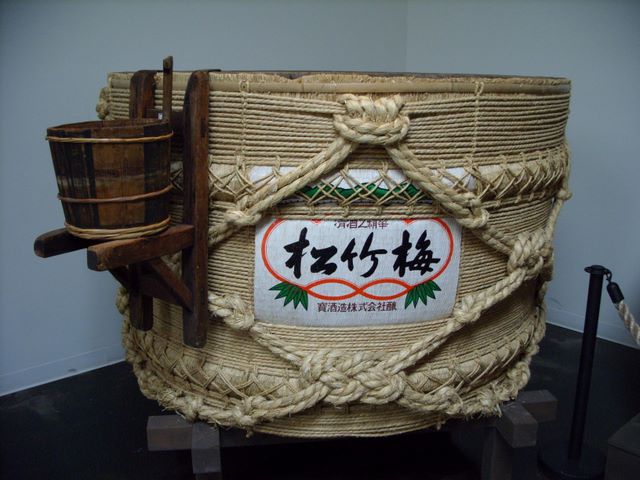
Outside the big tub. 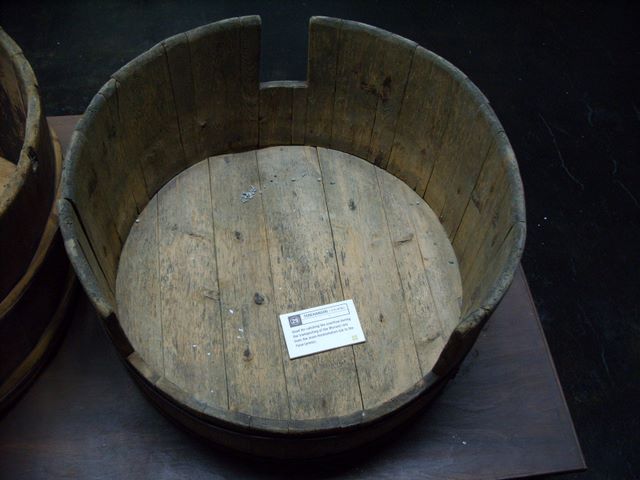
Terehangiri. Used for catching he overflow during the transporting of the Moromi mix from the main fermentation tub to the Fune (press). 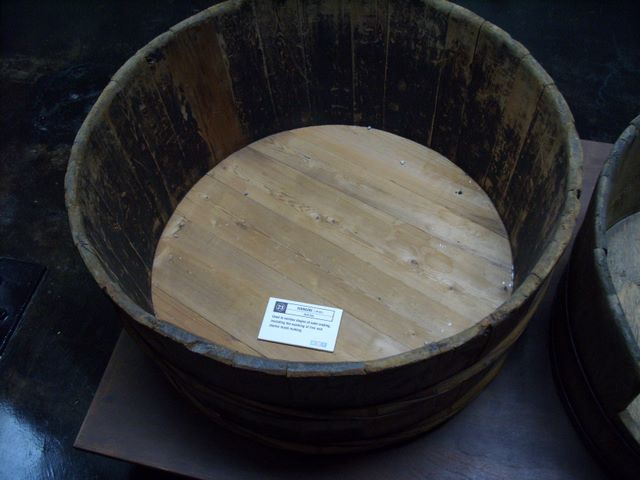
Hangiri, Half Tub. Used in various stages of sake making, including the washing of rice and starter mash making. 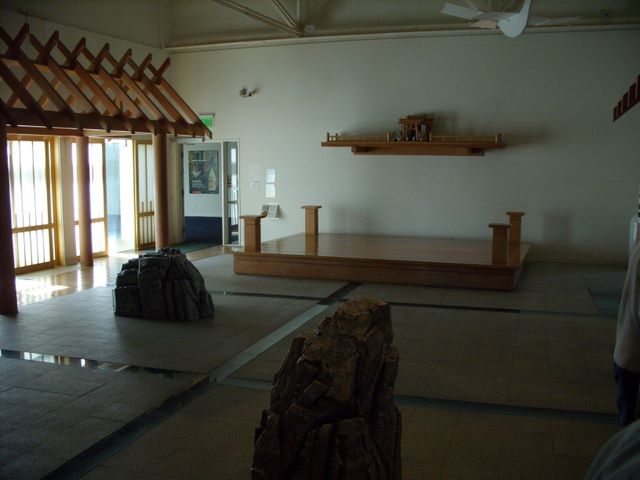
The tasting and sales area. Pretty cool. Loads of recycled materials. 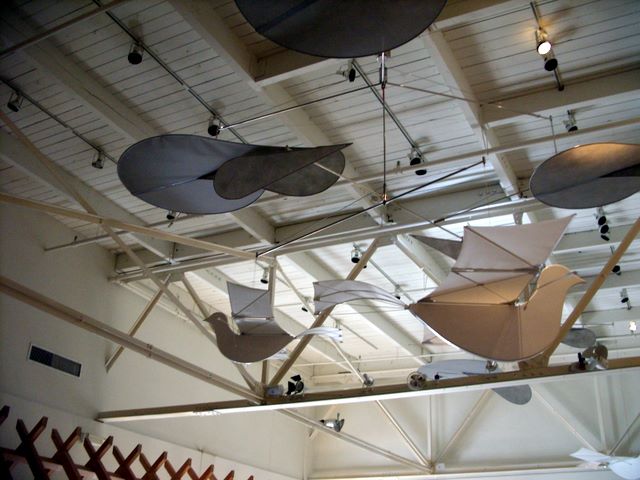
Cool art. 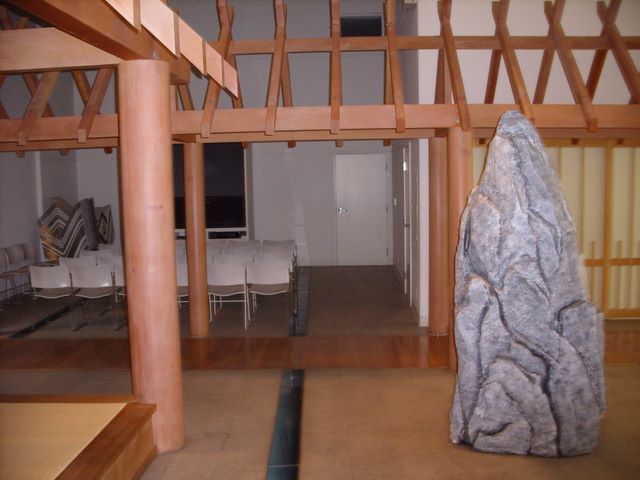
The multimedia area. We watched a video about the are of making sake. 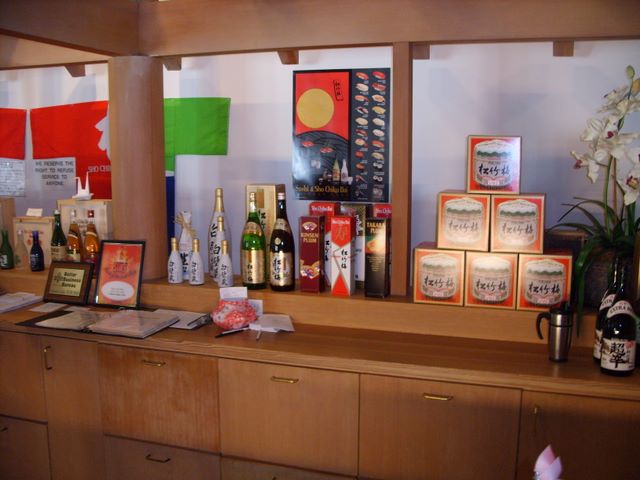
Danger! Tasting area, tasting is free. You are pretty happy when they bring out the order form. Steve was a few dollars happier than me. I was just under $100 happy with shipping. 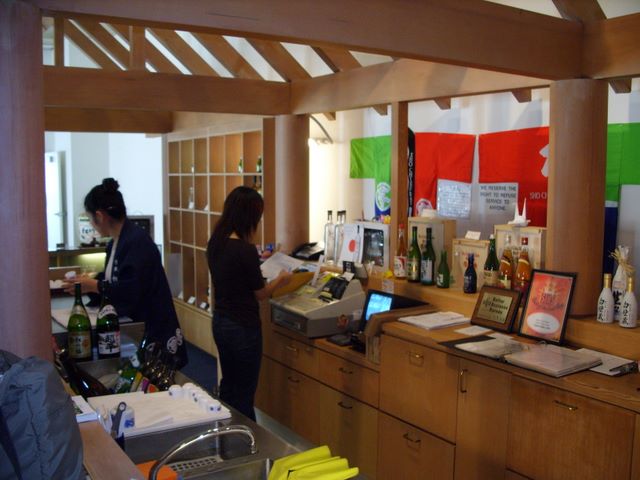
The cute and charming sake pushers. They know how to sell this stuff. 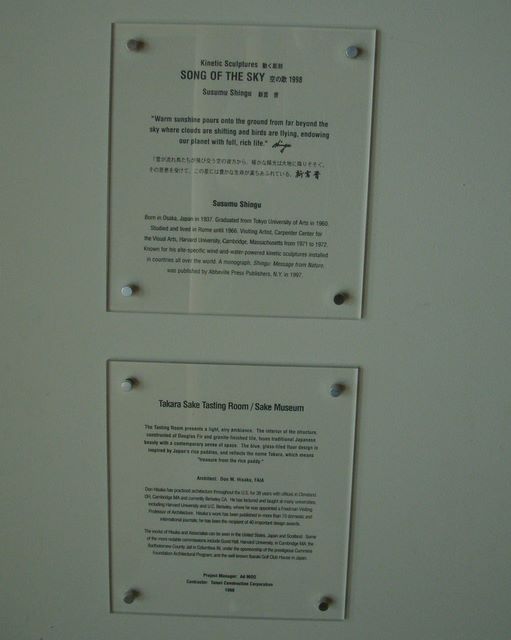
The kinetic sculpture above is called ?Song of the Sky?. Takara Sake Tasting Room / Sake Museum. The tasting room presents a light, airy ambiance. The interior of the structure, constructed of Douglas Fir and granite-finished tile, fuses traditional Japanse beauty with a contemporary sense of space. 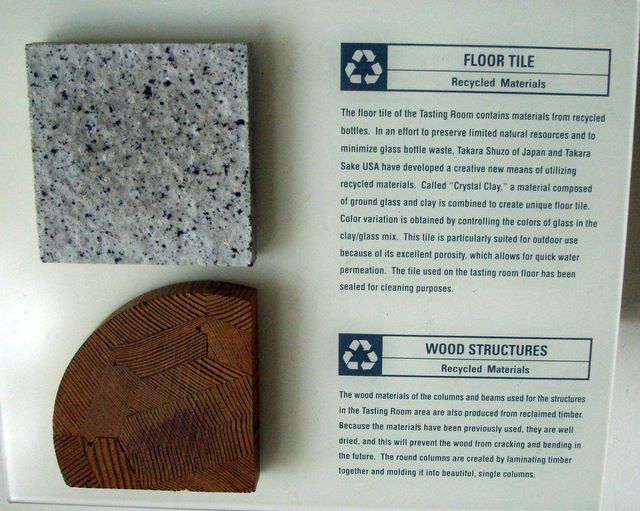
Use of recycled materials. If only this was the norm instead of the exception. 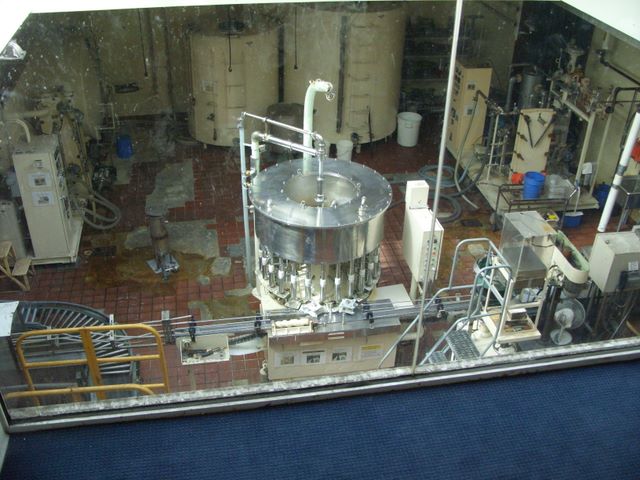
Where the wonderful elixer is made. 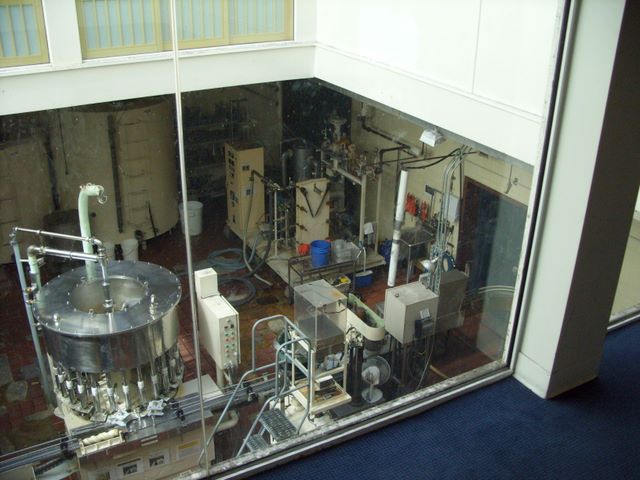
Can’t see much from the picture due to the window glare…